1174
/ 2
Min Read



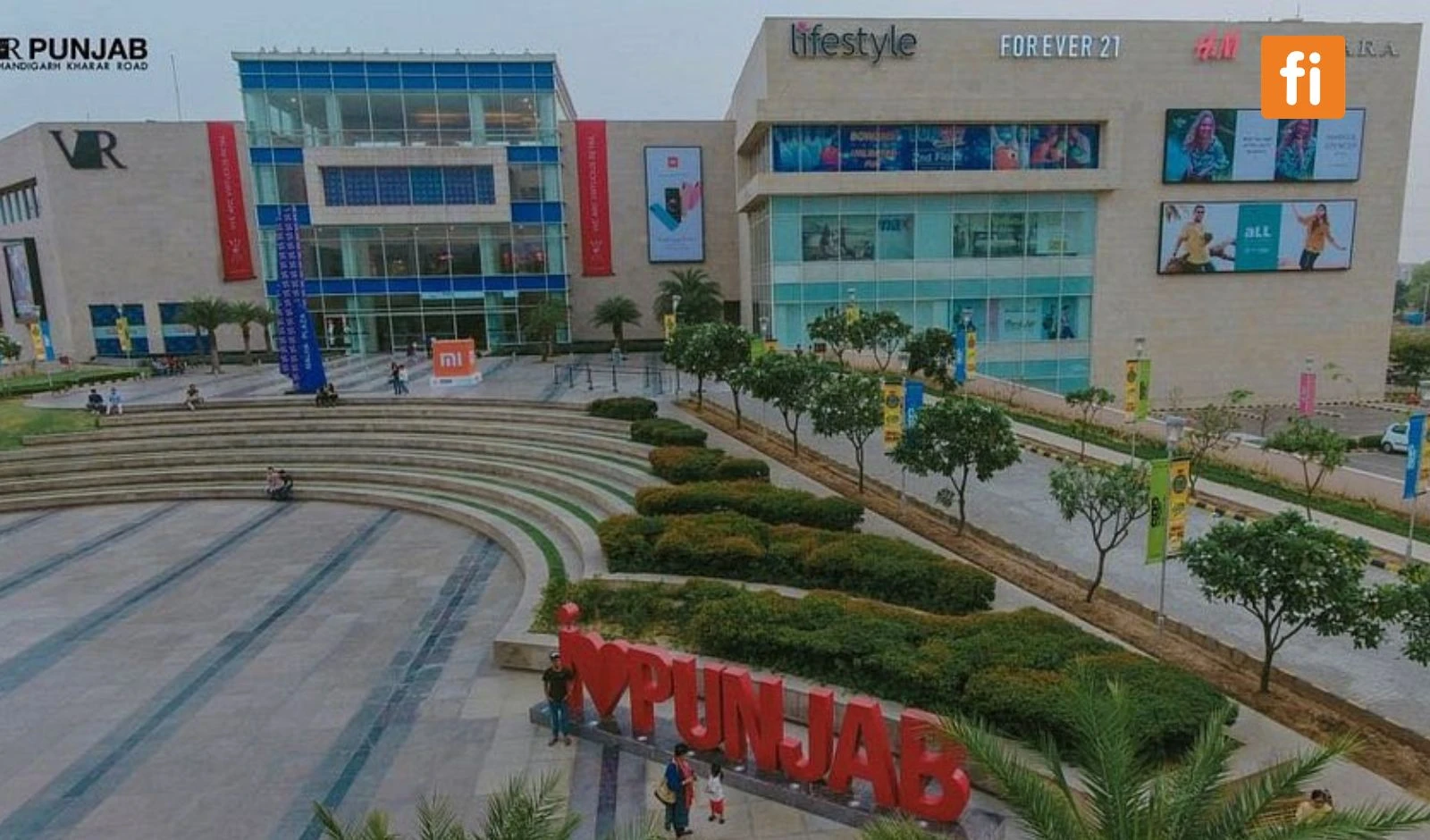
In a major setback for North India’s retail landscape, VR Punjab Mall in Mohali has been shut down indefinitely effective April 20, 2026, following serious structural safety concerns triggered by the April 3 earthquake. Authorities have restricted public access, citing potential risks to life and property.
The sudden closure has impacted over 100 retail outlets, including global fashion brand H&M and multiplex chain PVR, leaving thousands of employees and stakeholders in uncertainty.
As per media reports, preliminary assessments revealed structural vulnerabilities in parts of the mall post-earthquake, prompting authorities to take swift action. With safety emerging as the top priority, entry to the premises has been completely prohibited until further notice.
Industry experts believe the closure raises critical questions around construction resilience and compliance standards in large-scale commercial developments.
Even before the incident, VR Punjab Mall had reportedly been grappling with declining consumer footfall. Key challenges included:
- Poor road connectivity
- Traffic congestion in surrounding areas
- Parking limitations
- Limited last-mile accessibility
These factors steadily impacted tenant performance and overall mall viability.
Backed by significant global investment, the mall once stood as a flagship retail destination in the region. However, its shutdown now reflects a broader shift in retail dynamics—where scale alone is no longer enough.
The closure of VR Punjab Mall signals a deeper structural issue within emerging retail markets. As India’s mall ecosystem evolves, success will increasingly depend on holistic urban planning, connectivity and experiential value creation, rather than just capital investment.