
 3556
/ 10
Min Read




India’s self-care market has been on the rise lately. Everywhere you look, people are swapping out generic soaps and lotions for natural, handcrafted bath goodies. From fancy bath bombs to herbal soaps, there’s a big shift. People have started to care more than ever about what’s going on their skin. On top of this, the focus on organic ingredients, eco-friendly practices, and cruelty-free labels has totally opened up the market for small businesses, especially in bath and body care.
Social media’s influence has made people want a lifestyle that is both posh but also sustainable. This has led to the creation of a customer base that wants handmade, green, and locally made bath products. People prefer handcrafted products over the typical big-brand ones because they are pure and unique. However, this sector is still in its initial phases, and currently, there are not many sellers in the market.
So, it is the perfect time for you to jump into this business if you want to open a small business that is creative and profitable. Here are 10 small business ideas that could help you stand out in India’s growing wellness scene.
Also read: Top 15 Sustainable Service-Based Business Ideas in 2026
Market Overview
- Industry Size & Growth: India’s bath and body care market is already worth more than $1.7 billion (₹14,000+ crore), and it’s not slowing down as sales climb 5–7% every year, thanks to people caring more about hygiene and self-care.
- Consumer Preferences: Lately, you see a clear shift. Urban consumers want bath products that are chemical-free, paraben-free, and cruelty-free. Natural, Ayurvedic, and organic formulas aren’t just trends anymore; they’re what people actually reach for.
- Sustainability Trend: More brands use glass jars, paper wraps, and refill packs. Customers notice when a company pushes for zero-waste and stays open about what’s inside their products.
- Opportunity for Local Brands: Indian artisans and small businesses can catch attention with handmade, regionally inspired products — turmeric, tulsi, sandalwood, you name it. Authenticity and knowing exactly where ingredients come from really matter.
Key Things to Consider Before You Start
- Licensing & Compliance: You need to register under the Drugs & Cosmetics Act. If you’re making herbal or Ayurvedic stuff, get the necessary AYUSH certifications.
- Sourcing Ingredients: Build relationships with local suppliers for things like essential oils, herbs, and natural dyes. Always ask for quality certificates.
- Packaging & Branding: Keep it eco-friendly and simple. Make your ingredient list clear and back up any cruelty-free claims.
- Where to Sell: Test the waters on Instagram, Amazon, Karigar, or Meesho. Once you get some traction, think about your own website or a boutique space.
- Marketing Tip: Tell your story. Show off your sustainable practices and pure ingredients with short videos or team up with influencers. People want to know who’s behind the brand.
1. Handmade Soap Business
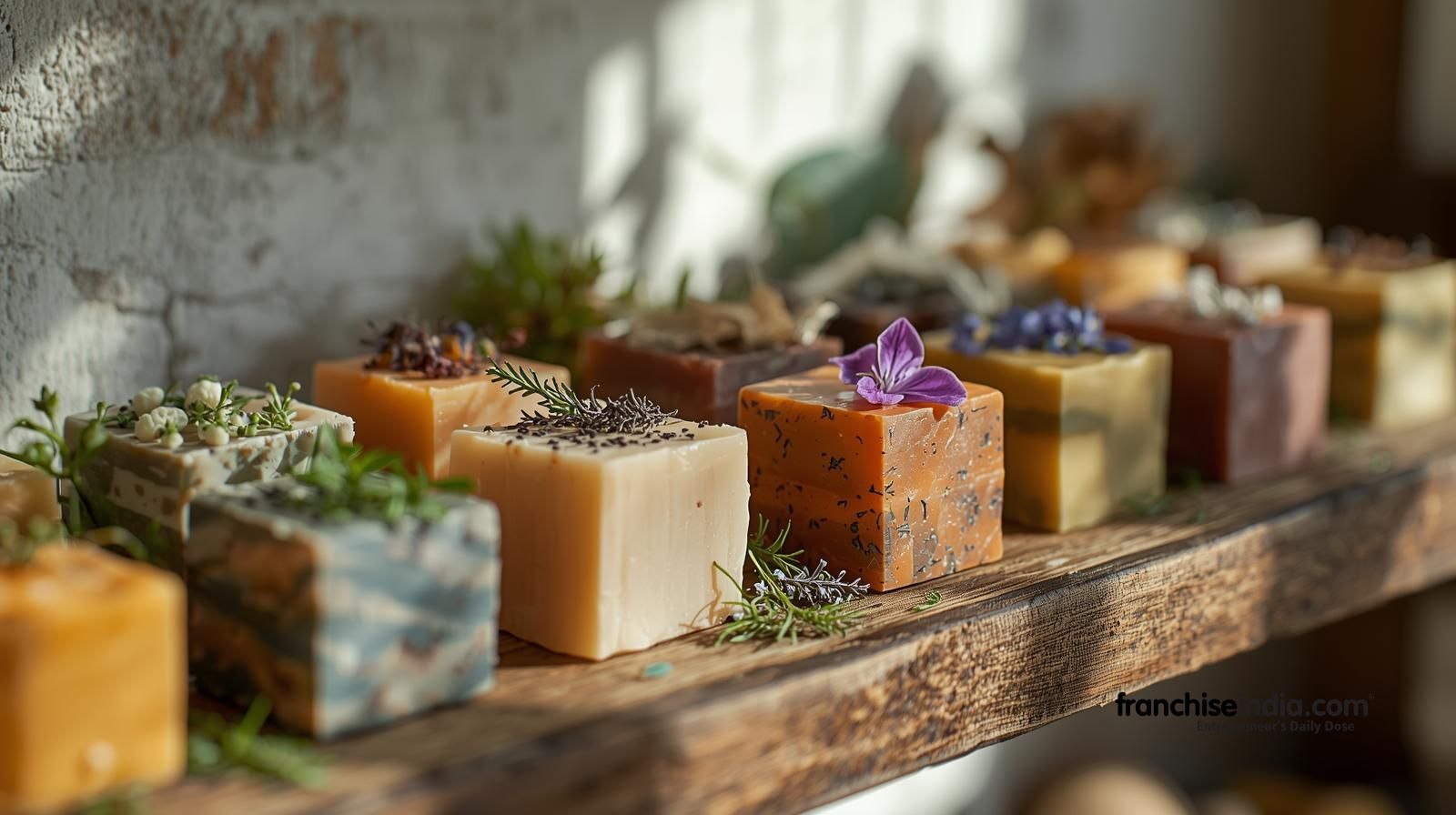
Handmade soaps are big right now, and honestly, they’re pretty easy to start making at home. You get to play around with ingredients like aloe vera, turmeric, neem, charcoal, and essential oils. You can also make customized batches, like for hydration, for acne, or for a natural glow.
You’ve got choices, too: cold-process, melt-and-pour, or even infusing Ayurvedic herbs for something extra. A single 100g bar can sell for anywhere from ₹150 to ₹400, depending on what’s inside and how you package it. You don’t need much to get started. You just need basic tools and a little training. Once you’re ready, start selling on online marketplaces like Instagram, Meesho, or Amazon.
USP: People love chemical-free, skin-friendly options, and they’re happy to support a local maker over a big brand.
Price: ₹150 to ₹400 for 100g.
2. Bath Bombs & Fizzies
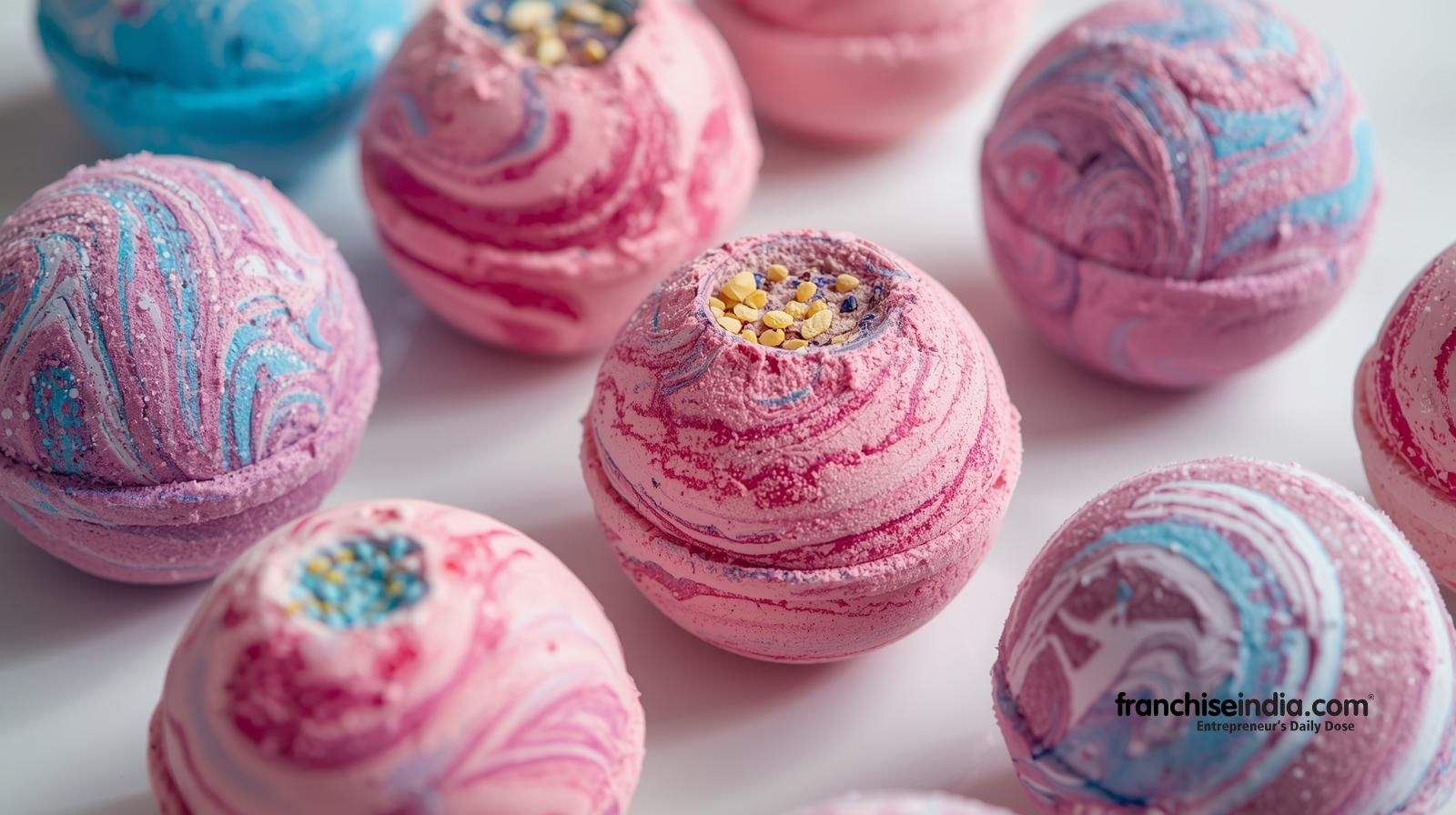
Who doesn’t love a fizzy bath bomb? They’re fun, colorful, and make bath time feel special. Drop one in the tub and you get swirling colors, soothing scents, and soft skin. Bath bombs are especially popular with younger shoppers and anyone looking for a cool gift.
You can carve out your own niche here: aromatherapy bombs for stress, festive themes for Diwali or Christmas, you name it. The basics are simple: baking soda, citric acid, Epsom salts, and skin-safe colors. Make them look good and smell great, and they’ll sell. Depending on size and fragrance, you can price them between ₹200 and ₹600 each.
USP: They’re perfect for gift hampers and look great on Instagram, which makes marketing easier.
Price: Between ₹200 and ₹600 each.
Also read: 21 Small Business Ideas with High ROI in Kolkata
3. Body Scrubs & Exfoliants
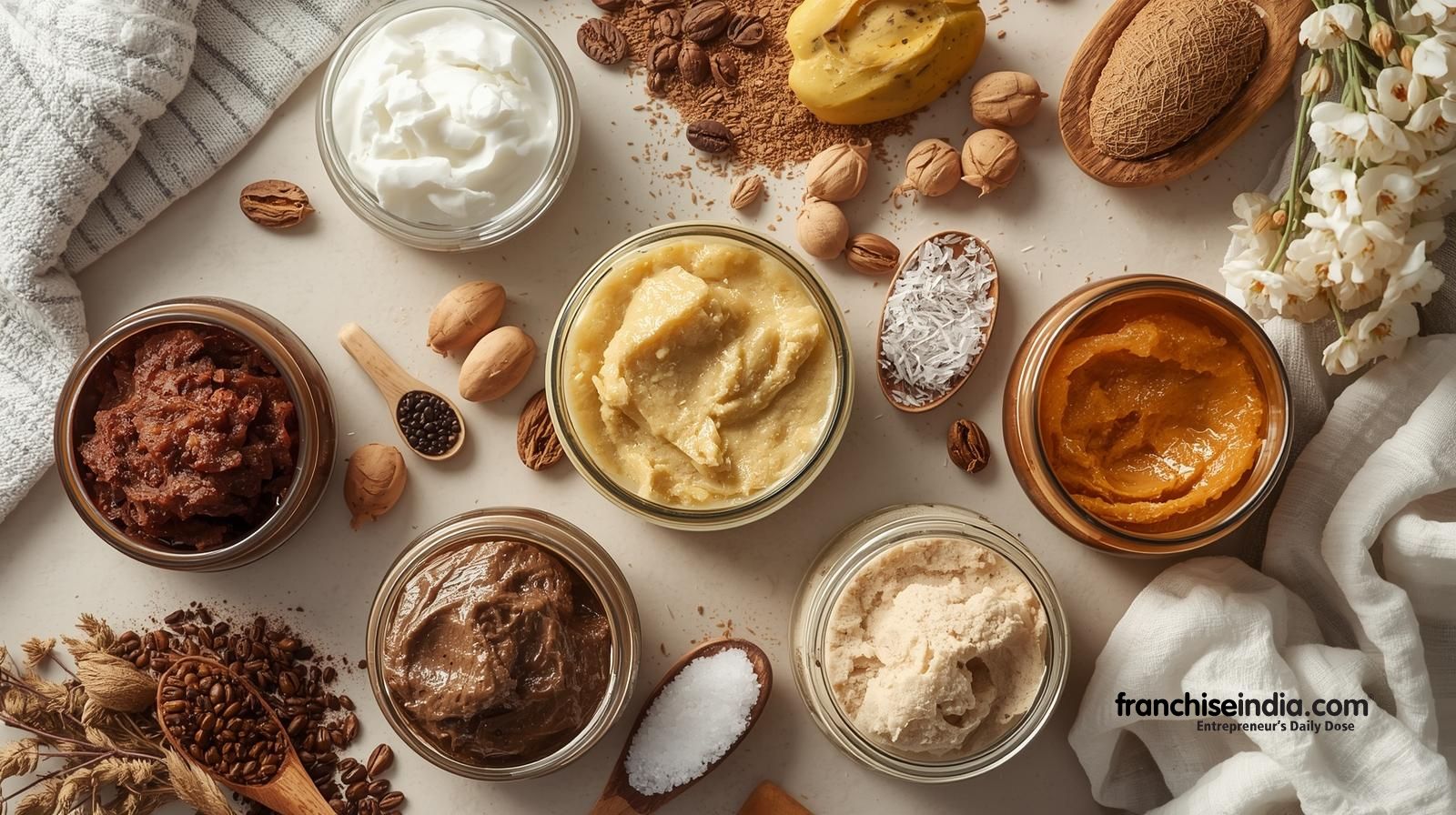
Body scrubs are everywhere right now, and for good reason. They rub off dead skin and leave you glowing. Natural scrubs like coffee, sugar, sea salt, or oatmeal are especially popular right now.
Coffee scrubs, in particular, have taken off in India. They polish the skin and help with cellulite, which lots of people want. You can sell these to spas, salons, or directly to customers, and offering organic or premium versions helps you stand out. A 200g jar usually sells for ₹300 to ₹700.
Startup tip: Use eco-friendly jars or kraft containers, and make sure your ingredients are clearly listed.
Price: ₹300 to ₹700 for a 200g jar.
4. Herbal Bath Salts
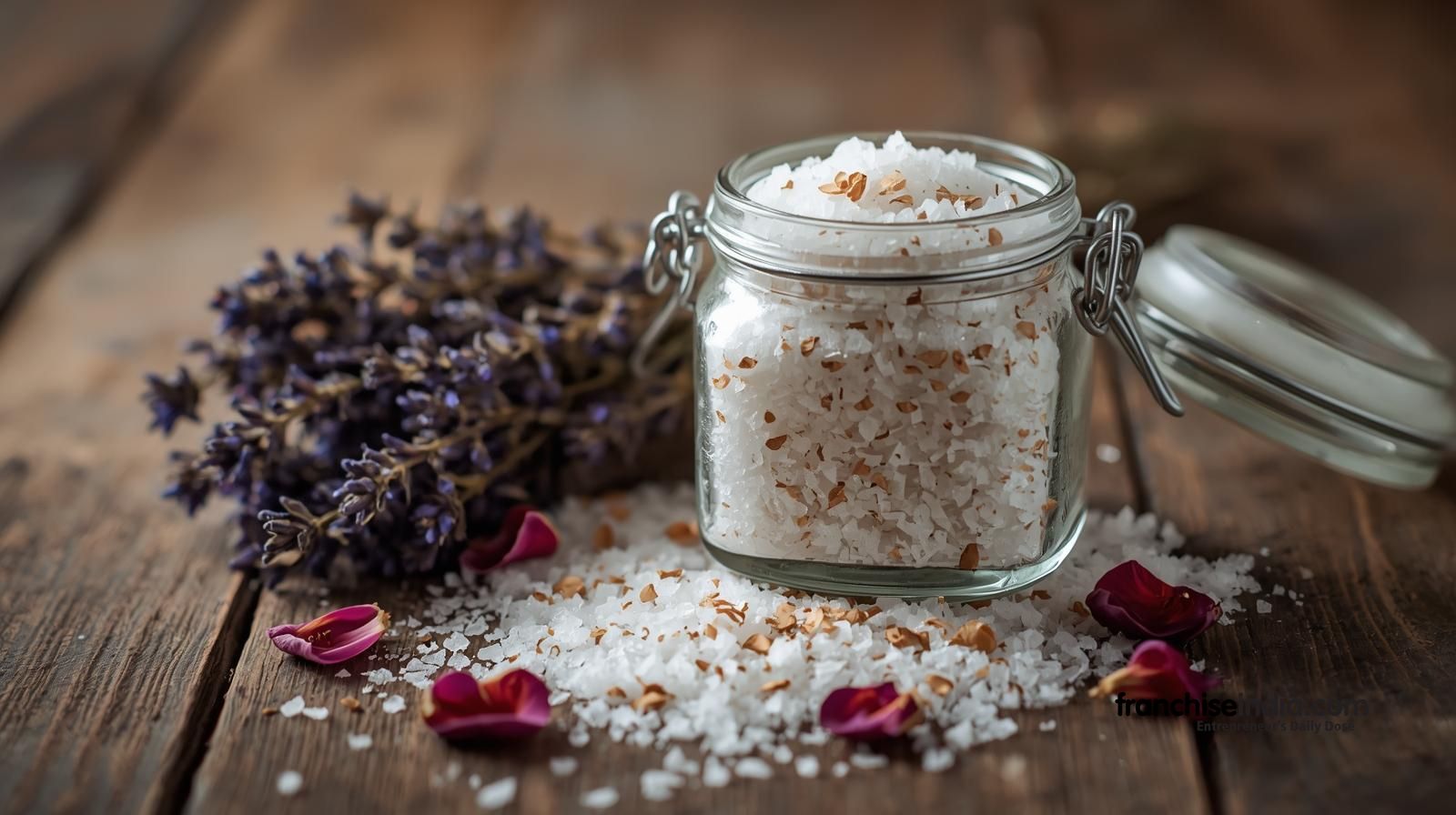
Bath salts are all about relaxation and detox. Mix Epsom salts with essential oils, dried flowers, or herbs like rose and lavender. Making fragrant bath salt is a given USP, and they’ll be easier to market. They’re perfect for city folks who want to recreate that spa vibe at home. A 250g pouch typically goes for ₹300 to ₹600.
There’s a strong market for Ayurvedic and Himalayan salt blends, especially those promising calm or muscle relief. You can even create anti-stress floral blends or magnesium-rich soaks.
USP: These products are natural and therapeutic and fit right in with holistic wellness trends in India.
Price: ₹300 to ₹600 for a 250g pouch.
5. Natural Body Wash & Shower Gels
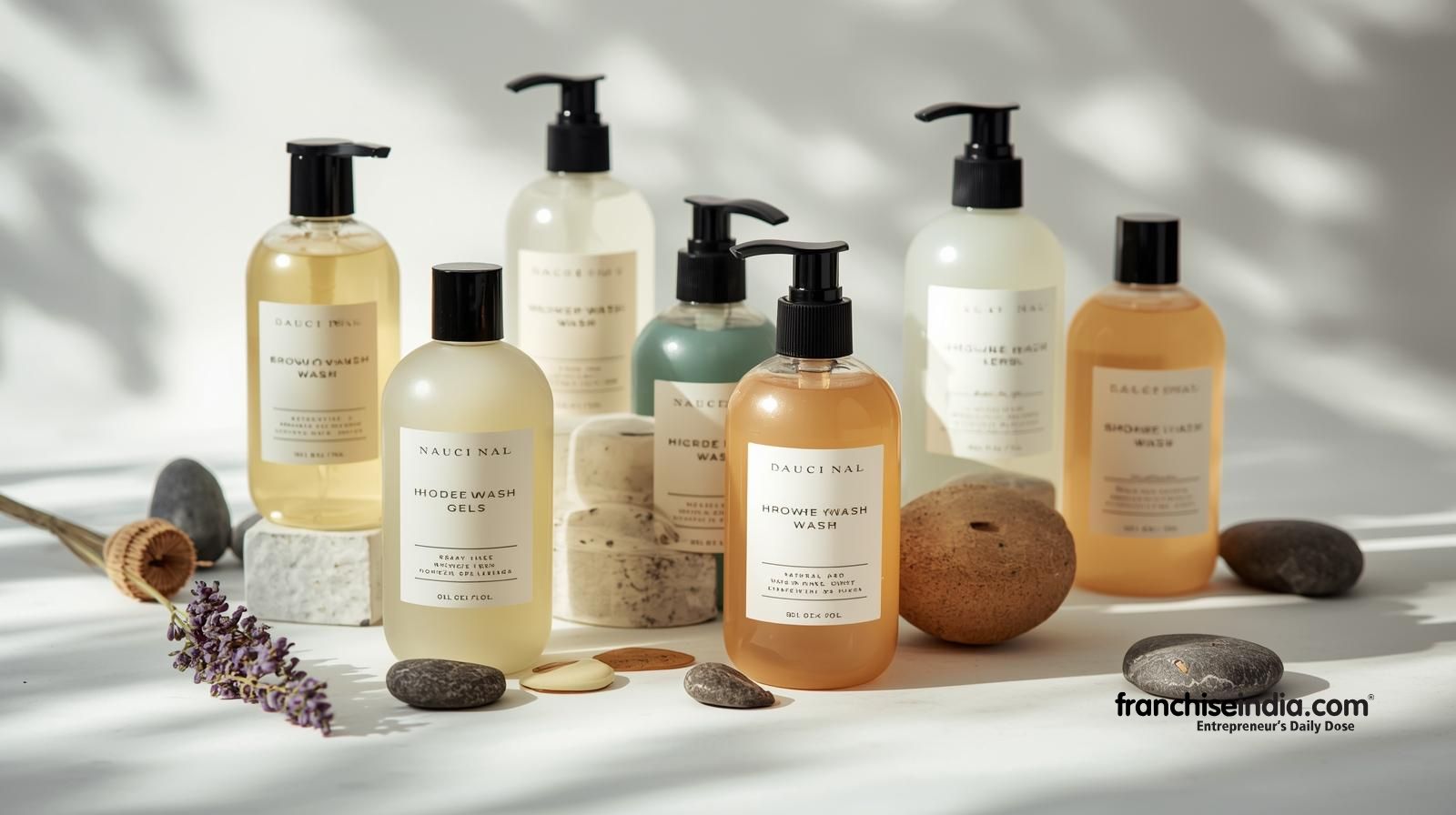
A lot of people are done with harsh, chemical-heavy body washes. There’s a huge demand now for shower gels that are SLS- and paraben-free, made with plant extracts like tulsi, sandalwood, or jasmine.
You can make products for different skin types, like men, women, or sensitive skin. Get creative with packaging: refill pouches, glass bottles, or simple, elegant labels can really set your brand apart. A 250ml bottle usually sells for ₹400 to ₹800.
USP: Make sure to market them as gentle, eco-conscious alternatives to mass-market brands.
Price: ₹400 to ₹800 for a 250ml bottle.
6. Luxury Bath Oils
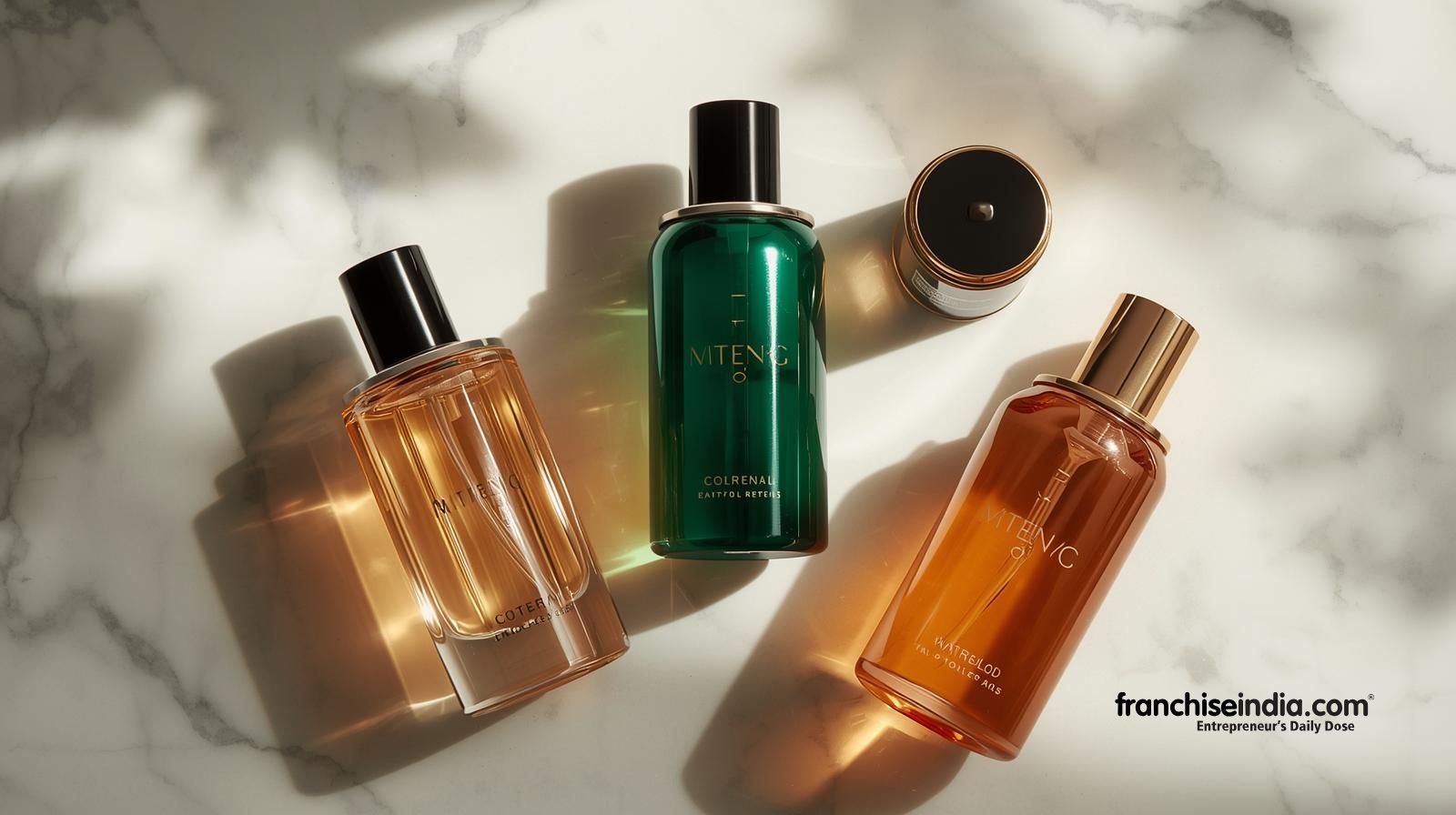
Bath oils are making their way into India’s luxury skincare market. They hydrate, add a lovely scent, and feel mild compared to strong scents. You can blend carrier oils like almond or jojoba with essential oils like lavender, rosemary, or rose for something truly special. A 100ml bottle can sell for ₹600 to ₹1,200 based on the size and fragrance.
These oils double up as massage oils, too, so there’s extra appeal. Package them for boutique or spa collections, and they make fantastic gifts.
USP: They’re perfect for boutique and Ayurvedic brands.
Price: ₹600 to ₹1,200 for a 100ml bottle.
Also read: 7 Profitable Beauty & Wellness business ideas in 2025
7. Body Butter & Lotion Bars
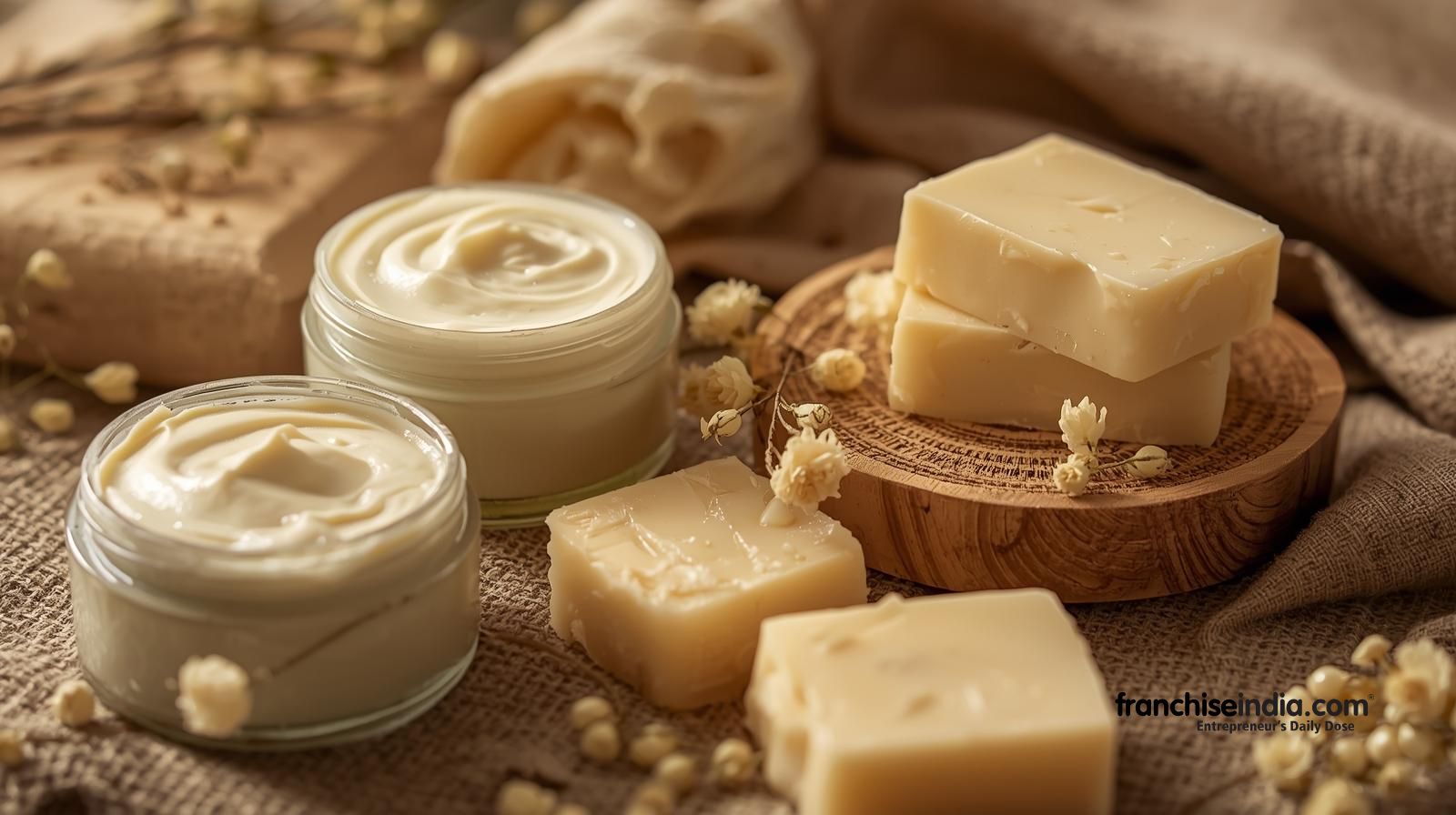
India’s weather changes a lot, but one thing stays the same: people want hydrated, healthy skin. Body butters packed with shea, cocoa butter, and coconut oil really do the trick, especially if your skin gets dry. Lotion bars, also called solid moisturizers, add an eco-friendly twist to the usual creams and feel a bit special.
You can switch to different versions based on the weather. Rose and sandalwood for summer, cocoa and vanilla when it’s chilly. They’re great as gifts, too, or as a sweet touch in bridal hampers.
USP: Plastic-free, long-lasting, and a little artisanal charm.
Price: ₹500–₹900 for 100g.
8. Foot Soak & Pedicure Kits
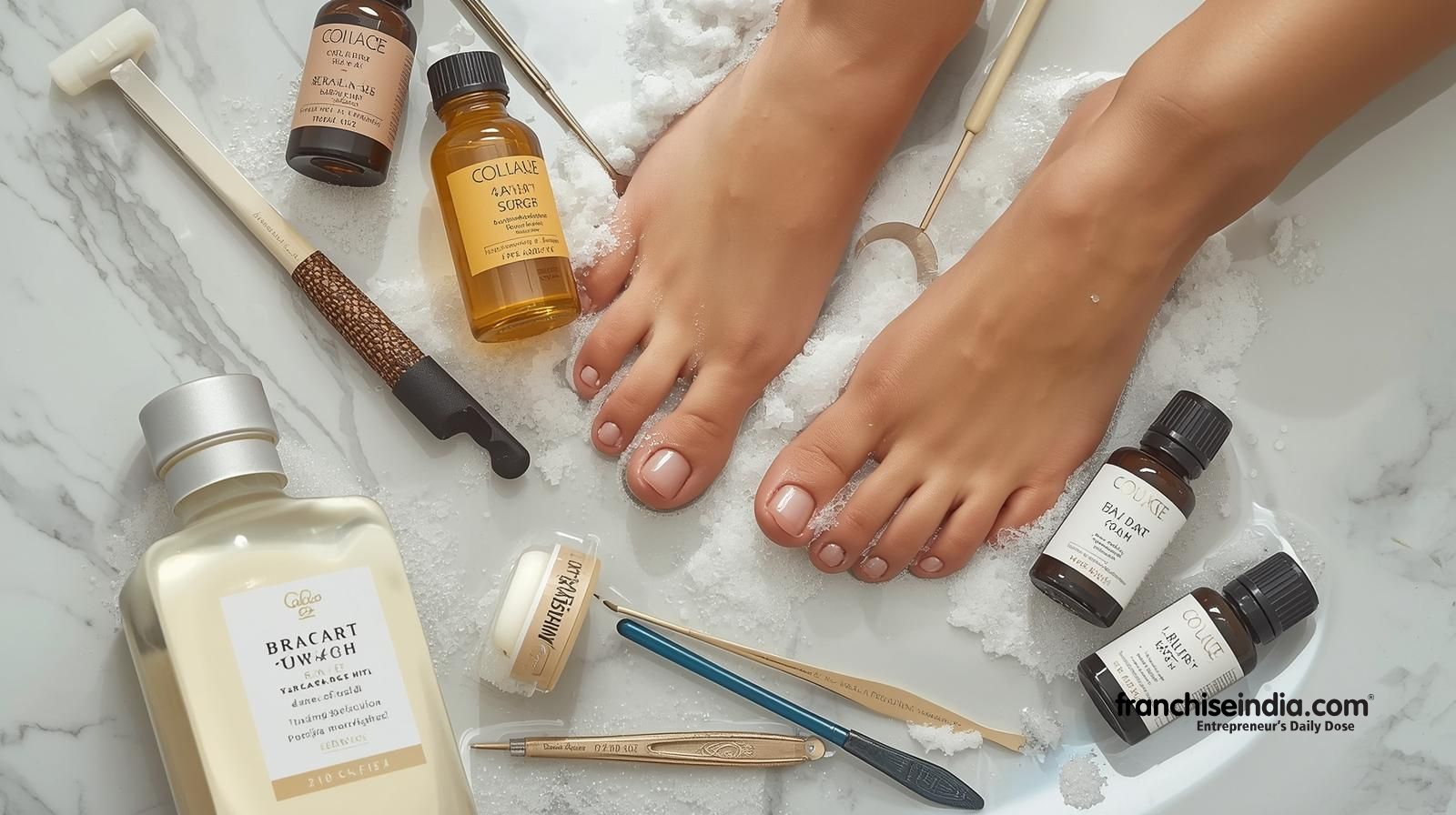
At-home spa kits are on the rage now. If you’re looking for easy, affordable self-care, then foot soaks with peppermint, tea tree, and Epsom salt are a lifesaver. They relax tired feet and help with swelling. Add a scrub, foot cream, and a pumice stone, and you’ve got an all-in-one kit.
These bundles work especially well for online gifting and wellness shops.
USP: Easy combos, perfect for festive or corporate gifts.
Price: ₹400–₹1,000 per kit.
9. Bath Accessories Line
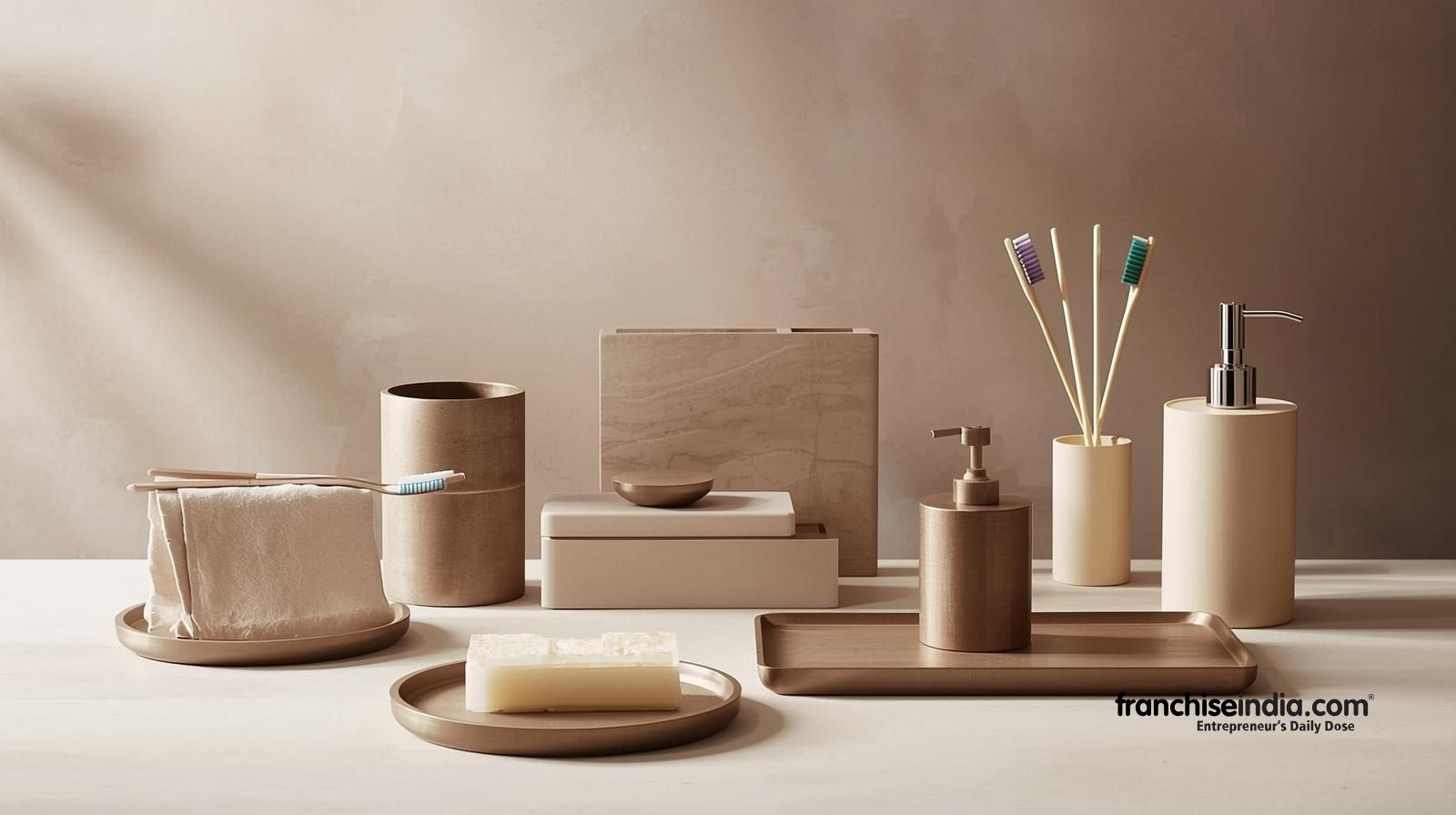
If you want to branch out, bath accessories are a smart bet. Think natural loofahs, bamboo brushes, soap dishes, exfoliating gloves, all made from sustainable materials. They pair perfectly with handmade soaps and scrubs.
With more people shopping for zero-waste bathrooms, products made from things like coconut fiber and bamboo really catch the eye.
USP: Low cost, high volume, and they broaden your brand and gifting options.
Price: ₹150–₹500 per item.
10. Custom Self-Care Gift Hampers
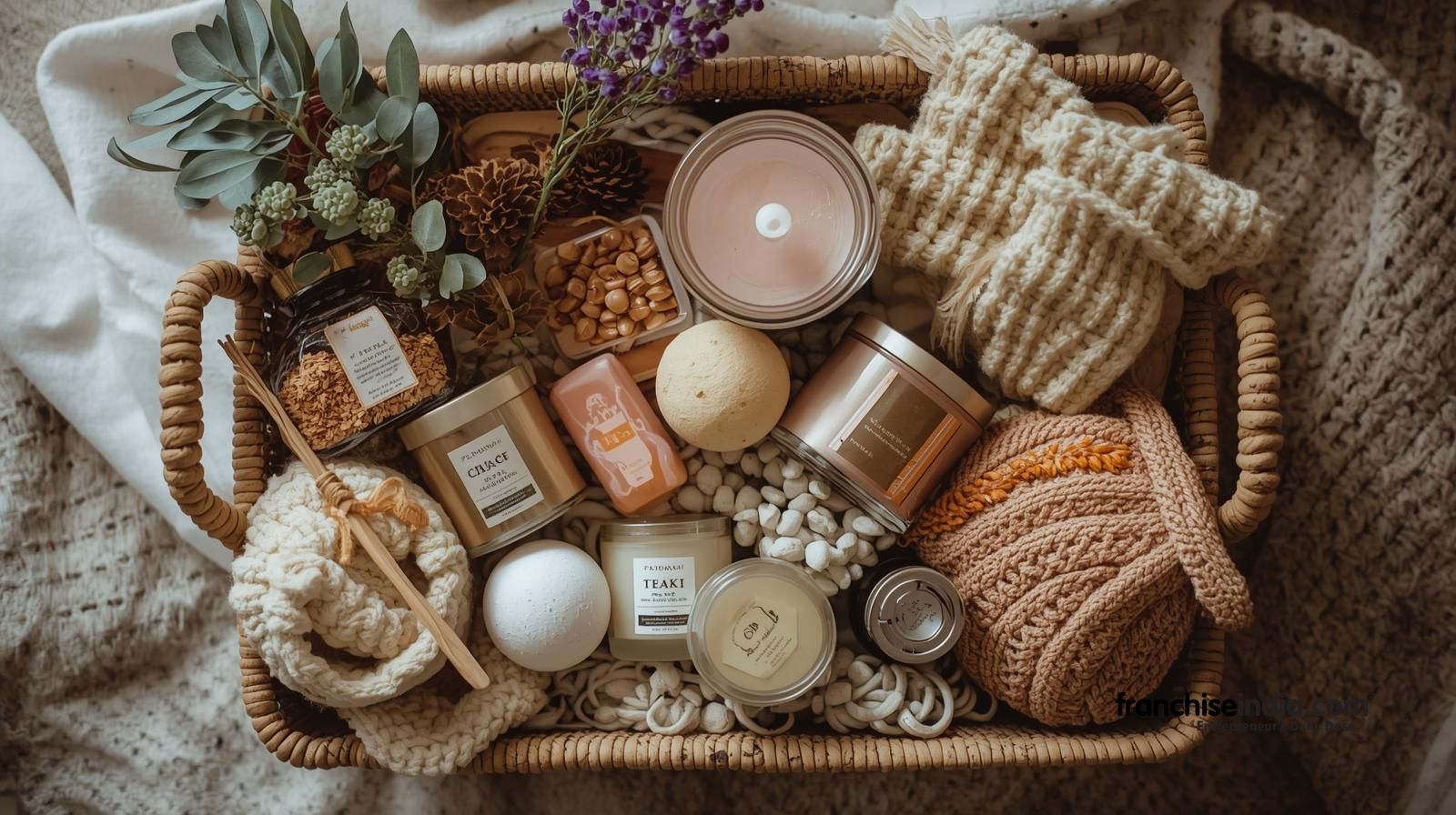
Gift hampers packed with soaps, scrubs, bath salts, and candles are a big hit for birthdays, weddings, or even corporate thank-yous. Personal touches like eco-friendly packaging, handwritten notes make them even more special.
You can sell these on your own site, over Instagram, or partner up with boutique shops.
USP: They sell the most during festive sales like Diwali, Valentine’s Day, or Raksha Bandhan.
Price: ₹800–₹2,500 per hamper, depending on what’s inside.
Also read: Top 7 Label and Packaging Business Ideas in India
Core Ingredients Used in Natural Bath Products
- Base oils: Coconut, olive, and castor keep skin clean and soft. Butters such as shea and cocoa give that rich, creamy feel and deep moisture.
- Essential oils: lavender, eucalyptus, tea tree, and lemongrass all bring amazing scents and real benefits for the skin. For scrubs, you can’t go wrong with coffee, sugar, salt, or oats.
- Botanical Additives: Like dried rose petals, neem, turmeric, and sandalwood, add beauty and boost skin benefits. Natural mica and plant tints give a splash of color.
- Preservatives: For shelf life, Vitamin E and rosemary extract are safe bets.
- Packaging Materials: Glass jars, paper wraps, jute boxes, and biodegradable containers highlight sustainability.
- These are the building blocks for any great handmade bath line. A true blend of wellness and eco-consciousness.
Branding & Marketing Tips for Indian Entrepreneurs
- Create a brand story: Why you started, where you source your ingredients, and what your business’s main goal is.
- Leverage social media: Use social media to connect. Share reels, real customer feedback, and behind-the-scenes moments.
- Packaging matters: Keep packaging simple, earthy, and reusable. That first impression is everything.
- Collaborate: Team up with yoga studios, wellness influencers, and boutique hotels to get your name out.
- Transparency builds trust: Be upfront about what’s in your products. Don’t throw around “organic” unless it’s true. When it comes to small and online businesses, people appreciate honesty.
Profitability & Scaling Potential
With ₹25,000–₹50,000, you can get started and see profit margins of 25–40%, depending on how you scale and market. Start from home, sell online, and grow into offline stores or even exports.
Subscription boxes, refills, or supplying hotels can really boost your business. With the world leaning towards sustainable beauty, Indian brands have a real shot at exporting, especially to Asia and Europe.
Soak in Success
Making bath products brings together creativity, sustainability, and wellness, which is the heart of modern entrepreneurship. Whether you’re crafting soaps or curating spa boxes, there’s plenty of room to grow and succeed.
Indian consumers want natural, homegrown bath brands that treat both skin and the planet kindly. So if you focus on authenticity, quality, and smart marketing, your small business can become something meaningful and profitable.
You might also like: 21 Profitable Village Business Ideas for 2025-26