3680
/ 5
Min Read



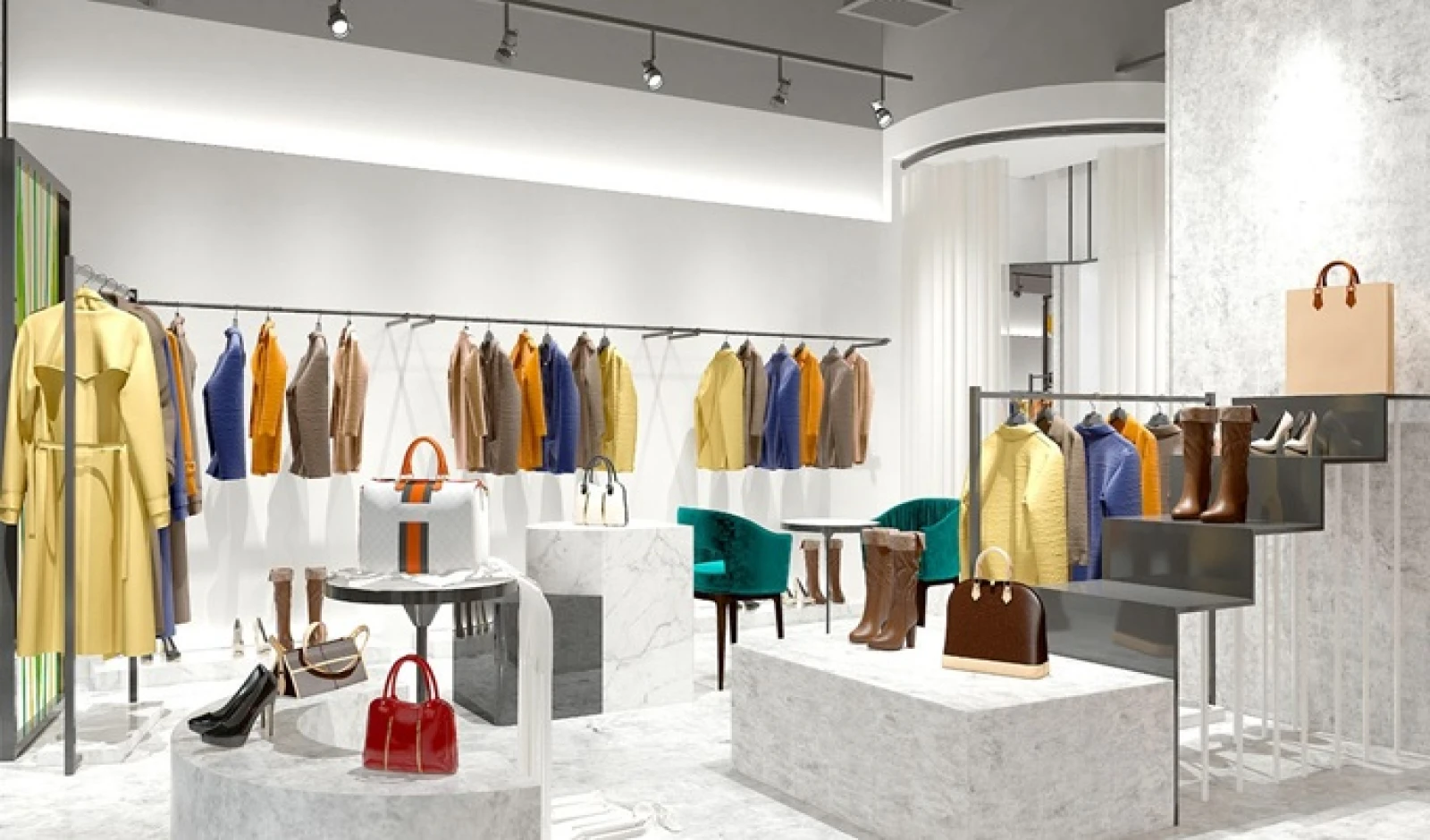
Not long ago, direct-to-consumer (D2C) brands lived almost entirely online — advertising on Instagram, selling through their websites, and shipping directly to your doorstep. Fast forward to 2025, and these same brands are popping up across malls, high streets, and neighbourhood hubs all over India.
According to CBRE’s latest report, India’s D2C Revolution: The New Retail Order, D2C brands leased 595,000 square feet of retail space between January and June this year — more than double what they leased during the same period last year. Their share of total retail leasing jumped from 8% in 2024 to a robust 18% in 2025.
Leading the charge? Fashion and apparel, which account for 60% of all D2C space leased so far this year. Other sectors are following suit: homeware and furnishings and jewellery each make up 12%, while health and personal care brands take a 6% share.
Why the Offline Shift?
The move to brick-and-mortar isn’t just about visibility — it’s strategic. While India’s e-commerce market is expected to hit US$260 billion by 2030, the fact remains: most Indian consumers still shop offline.
Anshuman Magazine, Chairman and CEO for India, South-East Asia, Middle East, and Africa at CBRE, explains, “While online channels are critical, physical spaces allow brands to bring their story and product to life, helping them stand out and engage more meaningfully.”
India’s total retail market was valued at approximately ₹82 lakh crore (US$1.0–1.1 trillion) in 2024 and is projected to more than double to ₹190 lakh crore by 2034, according to a joint report by ANAROCK and Retailers Association of India (RAI). Yet only about 12% of this is organised retail, indicating a massive growth opportunity for brands that can offer consistent experiences both online and offline.
Blending Digital Roots with Physical Touchpoints
D2C brands have always thrived on customer intimacy, niche positioning, and community building. But as digital noise intensifies and ad costs rise, the real-world store is becoming an essential extension of their storytelling arsenal.
What used to be pure-play digital brands are now evolving into experience-first retail concepts: flagship stores with curated collections, high-street pop-ups that test markets, and showrooms that double as community hubs.
“Our online-to-offline journey was a natural progression to get closer to our consumers,” says Amar Preet Singh, Co-Founder of Neeman’s, a sustainable footwear and fashion brand. “While digital gave us reach and early validation, offline allows people to experience our products first-hand — the comfort, the design, and the story behind them.
For us, it wasn’t just about opening stores, but about creating touchpoints where innovation, sustainability, and everyday wearability come alive. Each store is a step towards building a community that values style with responsibility.”
Offline as a Growth Lever
It’s not just about brand visibility. Physical presence is increasingly being seen as a scaling strategy. In fact, a recent report by Redseer reveals that the D2C market in India — valued at US$17 billion in FY23 — is projected to reach US$60–61 billion by FY27, growing at a CAGR of over 35%.
Yet for many brands, there’s a ceiling to how far online-only models can go. A recent Tracxn Report shows that fewer than 2.1% of India’s 11,000+ D2C brands have crossed the ₹150 crore revenue mark without venturing into offline retail. In response, more than 150–200 D2C brands have entered the offline space or partnered with quick-commerce platforms over the last two years alone.
Organised Retail Is Catching Up
As D2C brands fuel demand for flexible and experiential spaces, India’s organised retail infrastructure is also evolving. The share of organised retail — currently at 12% of total retail — is expected to climb to 17–19% by 2035, thanks to expanding mall networks and a growing appetite for quality retail environments.
Cities like Mumbai, Delhi-NCR, Bengaluru, Pune, and Hyderabad are leading in terms of new leasing, but Tier-2 cities are fast catching up, especially for brands seeking first-mover advantage in underpenetrated markets.
Even legacy mall developers are adapting, offering short-term leases, customised fit-outs, and experience zones to attract agile D2C tenants. Pop-up concepts, in particular, are booming, allowing brands to test offline waters without long-term commitment.
What the Future Looks Like
For D2C brands, the goal is not to abandon their digital roots but to build holistic experiences that resonate across platforms. Whether that’s a QR code in a store leading to online exclusives, or in-store staff trained as brand storytellers, the new D2C formula is about being everywhere the consumer is — with consistency and creativity.
From cult fashion labels to clean beauty startups, D2C brands are ushering in a new era of Indian retail — one where digital DNA meets physical presence. If 2024 was about testing offline waters, 2025 is the year D2C brands dive in headfirst — remaking malls, reimagining high streets, and reshaping how India shops, one store at a time.