
 5593
/ 9
Min Read




Custom clothing is no longer a niche market in India. Over the past decade, personalized apparel has gained significant traction in the market. A lot of that comes from young people, social media trends, and the wild growth of online shopping. T-shirts remain at the centre of this demand since they are universal, affordable, and easy to customise for any theme, event, or group. Birthday gifts, college festivals, company uniforms, influencer merch; printed T-shirts are everywhere. They’ve turned into one of the most flexible products out there in Indian retail.
If you’re thinking of starting a business and want something practical, scalable, and not too risky, T-shirt printing is a good choice. With the right tools, some planning, and a clear focus, you can build a brand or a B2B service that grows steadily year after year.
Also read: How to Start a Pharmaceutical Business?
Why T-shirt Printing Is a Profitable Business
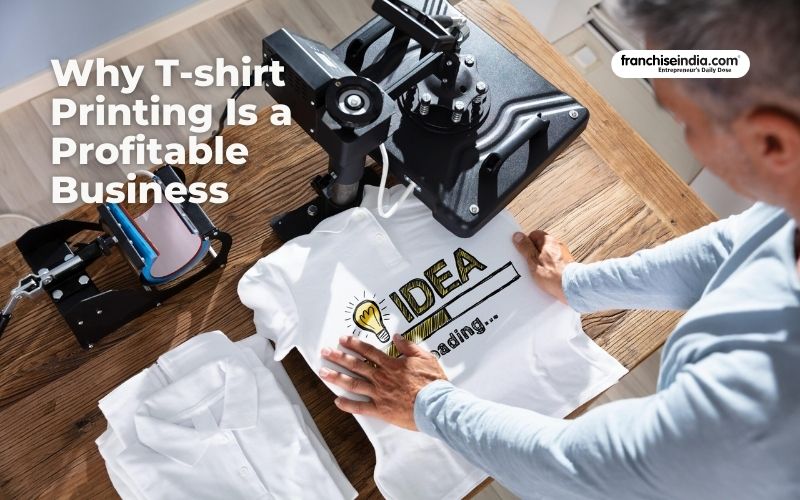
The T-shirt printing business has several advantages:
- Low to moderate startup cost: A basic workshop with simple equipment is enough to start.
- High demand across categories: Individuals, startups, colleges, sports teams, organizations, they all can be your potential customers.
- Repeat business: Uniforms, event gear, and festival merch collections encourage repeat orders.
- Creative flexibility: You can design for niches such as fitness, humor, travel, pop culture, whatever.
- Easy scalability: Once your setup is running smoothly, you can branch out into hoodies, tote bags, or corporate merchandise without much hassle.
If you set up your business right, you can tap into both online and offline markets. It’s a practical, modern choice for anyone looking to start something new.
Types of T-shirt Printing Methods
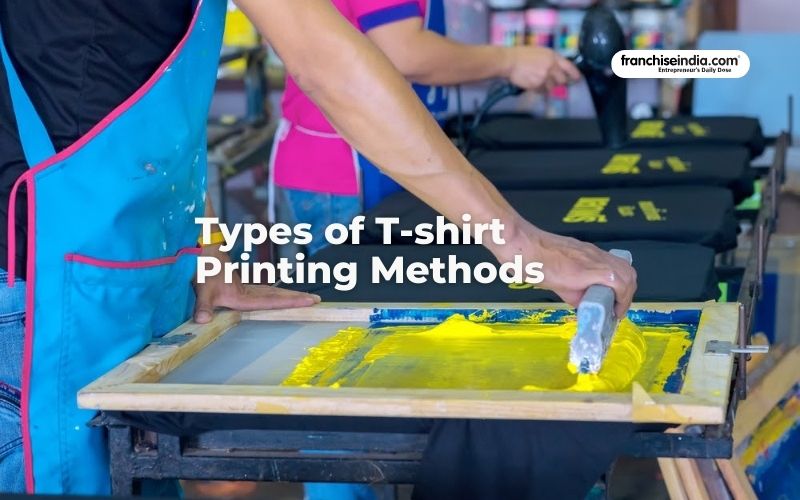
Screen Printing
Screen printing is one of the oldest and most reliable methods. You basically push ink through a mesh screen right onto the fabric. It’s perfect for big orders, simple logos, and designs that need to last wash after wash. If you want a bunch of shirts with the same bold print, this is your go-to. The catch is that every color needs its own screen, so if your design’s got lots of fine detail or a ton of colors, it gets messy and expensive.
DTG (Direct-to-Garment) Printing
DTG printing is kind of like putting a giant inkjet printer to work on your t-shirt. The machine prints your design straight onto the fabric, no screens or setup headaches. It’s best for small batches, complicated images, and photos. Basically, anything with lots of colors or fine detail. You can print one shirt or a bunch. The downside is the cost per shirt sits higher, and cotton works best for really sharp, vibrant results.
Heat Transfer Printing
Heat transfer’s a simple process: you print your design on special paper, lay it on your shirt, and press it with a heat press. If you’re just getting started or want to make a few custom pieces, this method’s hard to beat. The gear’s cheap, and you don’t need a ton of experience. The tradeoff is durability. The prints look good, but they can crack or fade faster than screen printing.
Sublimation Printing
Sublimation printing is a bit different. It uses heat to turn dye into gas, which then bonds right into the fabric itself. The results are super-bright colors that don’t fade or peel. It’s best for polyester or blends like sportswear or those all-over print tees. You get lightweight, permanent prints, but you’re stuck with synthetic fabrics—cotton’s out.
Vinyl Cutting
Vinyl cutting means slicing shapes or letters out of colored vinyl, then pressing them onto your shirt with heat. It’s awesome for bold, simple graphics, team numbers, or lettering. The results are crisp and durable. But if you’re hoping for tiny details or photo-like designs, vinyl’s not the right fit.
Choosing Your Niche
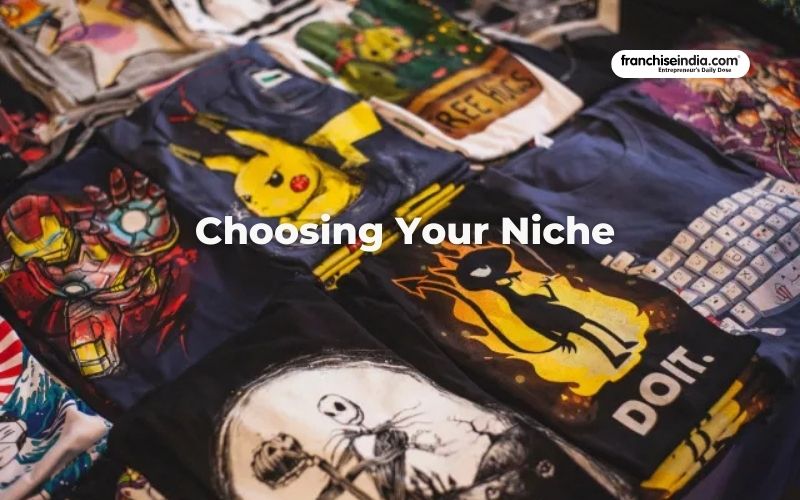
Picking a niche makes you stand out, especially when everyone’s selling t-shirts these days. Maybe lean into some pop culture jokes, corporate swag, school spirit wear, fitness gear, personalized gifts, regional languages, or even a sleek minimalist look. Whatever you choose, your niche helps people recognize you, figure out who your customers are, and build real loyalty around your brand.
Required Equipment and Setup Cost
How much you’ll spend really comes down to the printing method you pick. Here’s a quick breakdown of what you’ll need:
Printing Equipment
- Screen printing kit
- DTG printer (this one’s a bigger investment)
- Heat press machine
- Vinyl cutter
- Sublimation printer (if you want to print on polyester)
Other Essentials
- Blank T-shirts in different fabrics
- Inks, screens, and frames
- Design software
- Packaging stuff
- A workspace with good ventilation and enough storage
Cost Range
If you’re starting at home, expect to spend somewhere between ₹40,000 and ₹1,00,000. A small studio usually costs between ₹1,50,000 and ₹4,00,000. For a full-on professional DTG setup, you can expect ₹6,00,000 and up.
When you set things up right from the start, you get to control quality and keep things running smoothly.
Also read: 15 Profitable Leather Business Ideas
Licensing and Legal Requirements
You don’t need to jump through too many hoops to get started legally. Just cover these basics:
- GST Registration (for invoices and taxes)
- MSME/Udyam Registration (so you can get financial perks and subsidies)
- Trademark Registration (protect your brand name)
- Current Account (to keep business money separate)
- Local shop license (only if you’re working from a commercial spot)
How to Source Materials
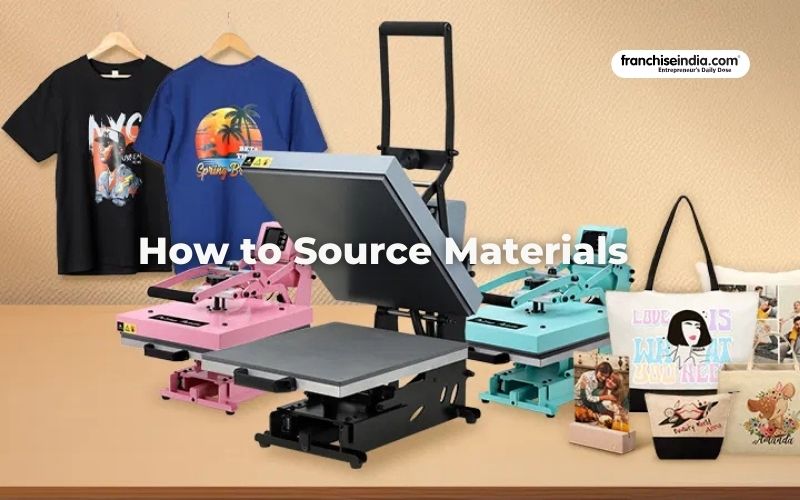
Your T-shirts are only good if the materials you use are good. The customers notice the difference.
Key Materials to Source
- Blank T-shirts: cotton, polycotton, polyester, oversized, and premium options
- Inks: water-based, plastisol, sublimation, or pigment inks
- Transfer paper and vinyl sheets
- Packaging: boxes, sleeves, tissue paper
Stick with suppliers who keep stock steady, offer fair prices, and deliver on time. Most people in the business buy from wholesalers in Tirupur, Ludhiana, Mumbai, and Delhi.
Designing Your T-shirts
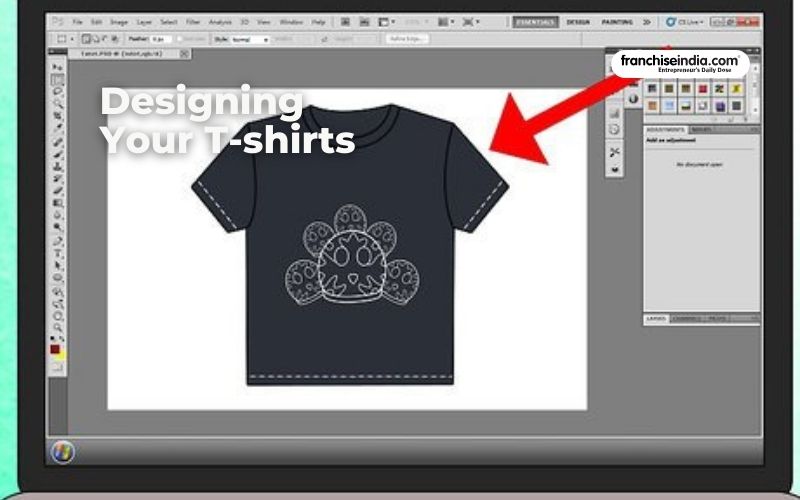
Design is where it all comes together. If your artwork pops, people notice.
What You Can Use
- CorelDRAW
- Adobe Illustrator
- Photoshop
- Canva (great if you’re just starting
You can even team up with freelance designers for new looks for festival specials or limited-edition drops. Just make sure your designs are clear, colors work well together, and the typography stands out. That’s what makes your tees catch eyes.
Pricing Your Products
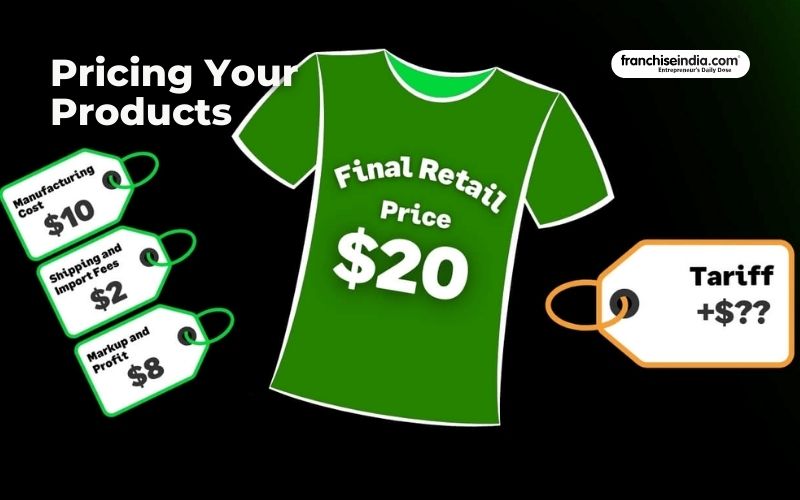
Setting prices right means covering your costs and still making a profit that keeps you in the game.
Key Components
- The blank T-shirt itself
- Printing costs
- Labor
- Packaging
- Platform or marketplace fees
- Your profit margin
Bulk orders from companies usually bring in steady profits, while premium DTG prints let you charge more.
Building Your Brand and Online Presence
Your brand identity is what separates you from everyone selling the same thing. If you want people to remember you, focus on:
- A great logo and brand colors
- Custom packaging that feels special
- A website that’s clean and easy to use
- Telling your story in a way that sticks
Get on Instagram, Facebook, and YouTube to show off your designs and share what happens behind the scenes.
Selling Platforms

Don’t put all your products on one platform. Use different channels to reach more customers:
- Your own website (Shopify, WooCommerce, etc.)
- Marketplaces like Amazon, Flipkart, Meesho
- Print-on-demand platforms
- Offline sales to colleges, companies, and local shops
Marketing Strategies
If people don’t know your business exists, then forget about getting any orders. Good marketing lifts your brand above the noise. Here are some strategies:
- Partnering with influencers
- Limited-edition theme drops
- Referral programs that reward loyal customers
- Special collections for festivals and events
- Social media ads that actually reach your audience
- Crisp, professional product photography
Managing Operations and Quality Control
Customers notice when things run smoothly. Stay sharp by:
- Checking print quality with every batch
- Making sure sizes, colors, and designs match what you promised
- Using the right drying and curing methods
- Keeping your workspace organized
- Packing orders like a pro
Good quality control means fewer returns and better reviews.
Also read: How to Start a Dry Fruit Business This Winter
Profitability and ROI

With smart management, a T-shirt printing business can start earning a steady income in just a few months.
- Retail orders often bring in margins of 30 to 60 percent
- Bulk corporate jobs mean regular monthly revenue
- Print-on-demand cuts down your upfront costs and inventory
Many businesses recover initial investment within 8 to 14 months, depending on scale and marketing effort.
Challenges and How to Overcome Them

Every business hits bumps in the road. In this industry, you’ll face:
- Heavy competition
- Blank T-shirts that don’t always match your standards
- Shipping delays
- Design theft
- Inventory headaches
You can solve these with better suppliers, secure packaging, trademark protection, and by tightening up your workflow.
Tips for Growth

Once your business stabilises, consider expanding into:
- Hoodies, sweatshirts, tote bags, and caps
- Corporate gifting bundles
- Event merchandise packages
- Apparel subscription boxes
- Workshops or custom printing for local groups
Diversifying your products keeps your brand strong for long-term success.
T-shirt printing in India hits that sweet spot of creativity, practicality, and solid profits. Demand keeps rising, and it’s not hard for new entrepreneurs to get started with the right plan. Whether you want to launch your own label or print for clients, there’s real potential here—flexible growth, good margins, and a future you can build on. Nail your niche, get the right gear, and market smart. With focus and consistency, you’ll turn your business into a reliable, rewarding brand in the world of custom apparel.
You might also like: How to Start an Edible Oil Business in India?