
 7537
/ 13
Min Read



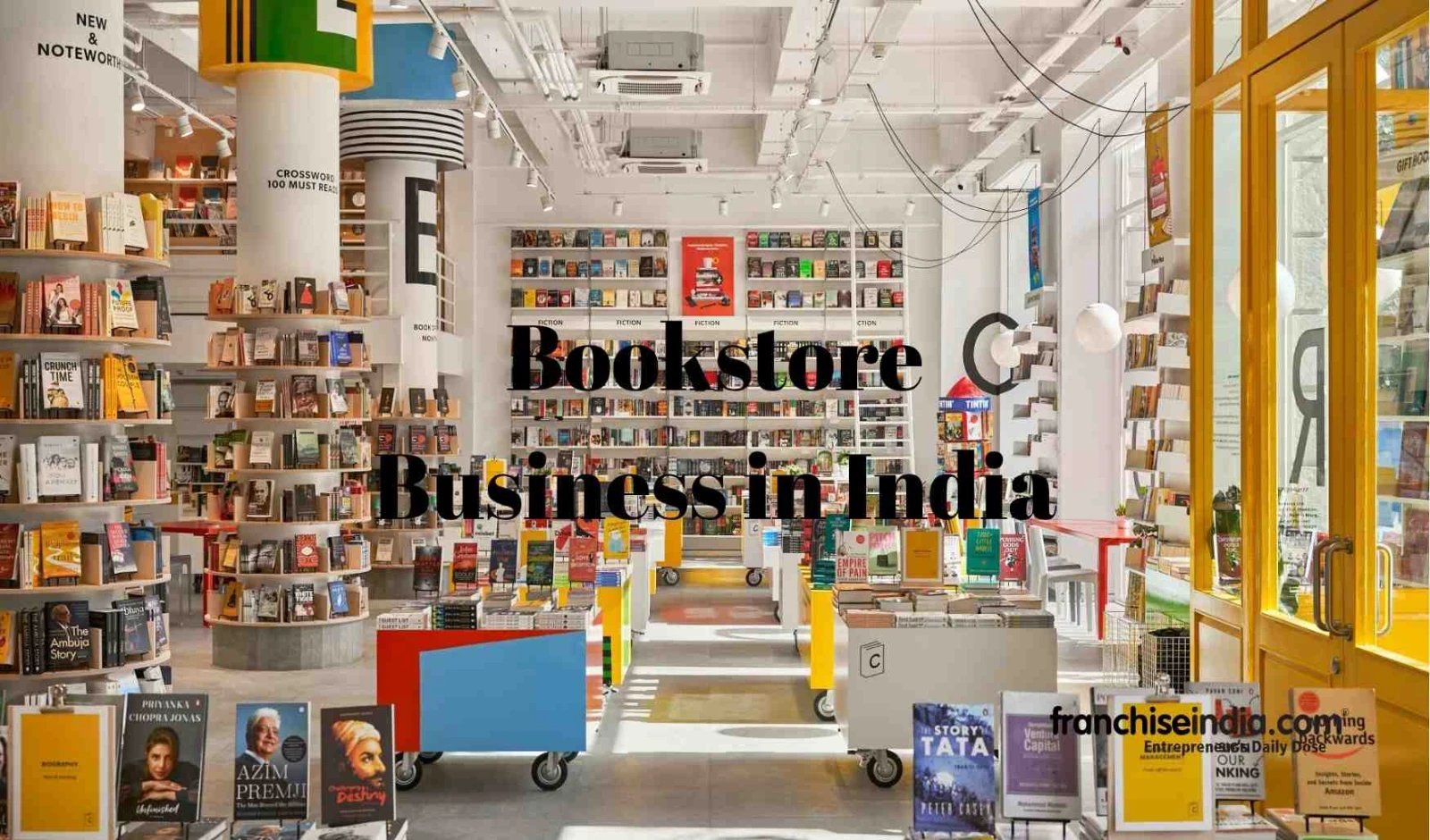
Starting a bookstore business in India involves thoughtful planning, strategic location selection, and an understanding of readers’ preferences. Start with the basics: pick your business model. Will you run a cozy neighborhood shop, a secondhand book place, a specialty store focused on kids’ books or academic titles, a bookstore-café combo, or maybe go fully online? Once you know what you’re aiming for, the next big decision is where to set up. Look for spots that get steady foot traffic—think near schools, colleges, busy market areas, or residential neighborhoods. Getting your inventory right matters a lot. You’ll source books from publishers, distributors, or wholesalers, or buybacks if you’re selling used titles. The money you need upfront really depends on your plan. A small neighborhood store usually takes around ₹4–7 lakh to get going, while an online-only setup might need just ₹1.3–3.6 lakh. On the paperwork side, you’ll need GST registration, a trade license, and a current account. But it’s not just about books and licenses—what really keeps your bookstore alive is how you rotate your collection, connect with the community, spread the word on social media, and build real relationships with schools, clubs, and readers so people keep coming back.
In this article we are going to cover the process of how to open a bookstore business, including the investment required as well as the legal registration licences etc.
Also read: How to Start a Women's Clothing Business in India
Steps of Starting a Bookstore Business
1. Decide the bookstore model
.jpg)
Before launching a bookstore, it’s important to decide on a clear business model, as each one comes with its own costs and daily grind.
- A typical neighborhood store stocks bestsellers, kids’ books, and maybe some stationery and counts on locals dropping in.
- Used bookstores cost less to stock up front and can actually turn a better profit if you pick your pre-owned titles well.
- Specialty stores—whether you focus on academic, religious, children’s, or art books—tend to face less competition and can charge a bit more.
- If you add a café, people stick around longer and tend to buy more, but you’ll need more cash to set things up.
- Going online or with a hybrid model saves on rent, but you’ll have to get good at packing, delivery, and online marketing.
- Some folks even start with a pop-up or kiosk to test the waters with hardly any investment.
The key is to pick one approach that matches your budget and the kind of customers you want, then expand or tweak things as you learn what works.
2. Market research & product mix
.jpg)
Before starting a bookstore business in India, it’s important to validate the market through simple, low-cost research. It doesn’t have to be fancy or expensive—just get out there. Visit a handful of local bookstores and check out a few online sellers to see what’s popular, what people charge, and if there are any gaps in what’s available, like activity books or regional language titles. Talk to around 30 people who might become your customers—students, parents, teachers—and find out what they buy, how much they spend, and what formats they like. That’ll help you figure out how much stock you need.
A general bookstore might hold 2,000–4,000 titles and keep them moving, while a specialty store can work well with just 500–1,000 carefully chosen books. Your shelves could break down to something like 30% bestsellers and fiction, 25% kids’ and educational books, 20% nonfiction, 15% regional language, and about 10% for stationery or gifts. And make sure you have a clear pitch for your store, like “Affordable children’s books for ages 3–10, priced between ₹100–₹700.”
3. Legal & registrations
.jpg)
Sorting out the legal side isn’t too complicated.
- For most small shops, a sole proprietorship works fine—you just need your PAN and Aadhaar, and it’s cheap to set up.
- If you’re thinking bigger or want to bring in partners, you might register a Private Limited Company or LLP, which will cost you anywhere from ₹6,000 to ₹25,000, depending on professional fees.
- GST registration is free, and you’ll need it once your sales hit the limit or if you plan to sell across states.
- You’ll also need a Shop & Establishment or Trade License for a physical store—fees vary by city but usually run ₹1,000–₹10,000.
- If you plan to serve food or snacks, an FSSAI license is a must, and that’s usually between ₹100–₹5,000.
- Udyam registration (for MSMEs) is free and can help you access some government benefits.
And if you want to protect your store’s name or logo, trademark registration costs about ₹4,500 per class, not counting consultant fees.
Always check with a chartered accountant so your taxes and paperwork are in order.
4. Location & space planning
.jpg)
Location is one of the most important factors in determining customer footfall for a bookstore. For a neighborhood shop, a space around 300–600 sq. ft near homes, schools, or colleges is usually enough. If you’re dreaming of a bookstore café or a boutique shop on a busy street, you’ll want something bigger—maybe 800–1,500 sq. ft. or more—right where people love to hang out and shop. For low-investment entry, pop-up stalls or kiosks of 50–150 sq. ft. in local markets, fairs, or community events can be effective for testing demand.
Rent varies significantly by city and area. In Tier-1 cities like Delhi, Mumbai, and Bengaluru, small commercial spaces can range roughly from ₹40–₹150 per sq. ft per month, while Tier-2/3 cities generally offer much lower rates. Most landlords require a security deposit of 3–6 months’ rent, which should be included in your startup planning.
When designing the store, prioritize good lighting, comfortable seating, and clear signage, and consider a kid-friendly corner if targeting families or young readers.
5. Sourcing inventory & costs
.jpg)
Setting your hands on the right books is at the heart of running a bookstore that actually makes money. New books come straight from publishers or through official distributors, and the discounts you get usually land somewhere between 10% and 45%. It all depends on how many you buy and how popular the titles are. If you’re hunting for bargains, check out wholesale markets for bulk or remaindered stock—they can be a lot cheaper. Want to offer used books? You’ve got options: buy from individuals, tap into college book swaps, hit up library clearances, or set up a local buy-back program. Some wholesalers even sell big mixed lots online, which is a great way to keep your shelves interesting.
How many books should you stock? Depends on your plan. A cozy neighborhood store might open with 800 to 2,000 titles. If you’re going niche, you can start with a tighter, curated list—say, 400 to 1,000 titles. Used bookstores have more wiggle room; you can usually launch with an inventory costing anywhere from ₹50,000 to ₹1,50,000, depending on how picky you are and where you’re buying from.
Also read: 11 Business Ideas in Delhi with Low Investment
6. Startup budget examples
.jpg)
A — Micro neighbourhood bookstore (low–moderate)
Setting up a small bookstore requires budgeting for several key components. The first major expense is the store space itself, which includes the security deposit and initial rent. Next, you’ll need basic furniture: shelves, a counter, a few chairs, and some storage. A solid point-of-sale system or billing software makes checkout and inventory way less stressful. Get your registrations and licenses sorted early so you’re not running into headaches down the line. And don’t forget to set aside some working capital for things like utility bills, restocking, and day-to-day expenses for at least the first couple of months. These basics set you up for a smooth launch and help make your store friendly and easy to run.
B—Bookstore + cafe (small)
Starting a bookstore café requires a larger initial setup compared to a standard bookstore because it combines both retail and food service. The first major expense is securing a spacious commercial location, typically one that can accommodate book display areas and a comfortable seating section for patrons. Be ready for some renovation: you’ll need solid shelving, a café counter, comfy tables and chairs, good lighting, and a vibe that makes people want to settle in with a book. Besides books, you’ll need to stock up on coffee, snacks, and the right packaging. Don’t skimp on your coffee machine or your kitchen setup; that’s what keeps café customers coming back. There’s more paperwork, too—food safety and health permits are a must.
C — Online / hybrid bookstore (low cost)
Setting up an online bookstore or e-commerce book business involves a different cost structure compared to a physical store, with a major focus on digital operations. The first step is building a functional website or online store platform, which may include features such as a product catalog, secure payment gateway, inventory syncing, and customer support options. You’ll need a starter inventory and a spot to store it—maybe a small warehouse or just a dedicated room. Packaging supplies like boxes, bubble wrap, and shipping labels are a must. Marketing is everything online. You’ll need to get the word out through social media, search engine optimization, influencer partnerships, and ads to get people to actually find your site.
7. Pricing, margins & simple projection

Books usually sell at their printed price (MRP), so your profit depends on the wholesale discount you negotiate. Here’s a real-world example: say you sell books for an average of ₹350 each and move 700 books in a month. That brings in about ₹2,45,000. If you get a 30% discount on your stock, your cost is roughly ₹1,71,500, which leaves you with a gross profit of ₹73,500. But then come the bills: rent, salaries, utilities, marketing, loan payments, and random expenses. All in, you might spend around ₹85,500 a month, which means you’re losing about ₹12,000 at first.
Don’t panic—most new bookstores see a bit of red ink in the beginning. To turn things around, focus on better discounts from suppliers, push up your sales, add high-margin stuff like stationery or gifts, and create extra revenue with events, workshops, or inviting reading spaces. Most stores break even in 6 to 12 months.
8. Operations & inventory management
.jpg)
Essentials to run smoothly:
- POS & billing: use cloud POS (₹500–1,500/month) that integrates inventory and GST billing.
- Inventory tracking: maintain turnover reports. Reorder fast-moving titles weekly; slow movers quarterly.
- Supplier relations: maintain 3–5 reliable publishers/distributors and track lead times (usually 3–10 days).
- Returns: Publishers often accept returns (terms vary). Negotiate return windows to reduce dead stock.
- Storage: dry, pest-free storage; avoid stacking books in sunlight.
9. Staffing & costs
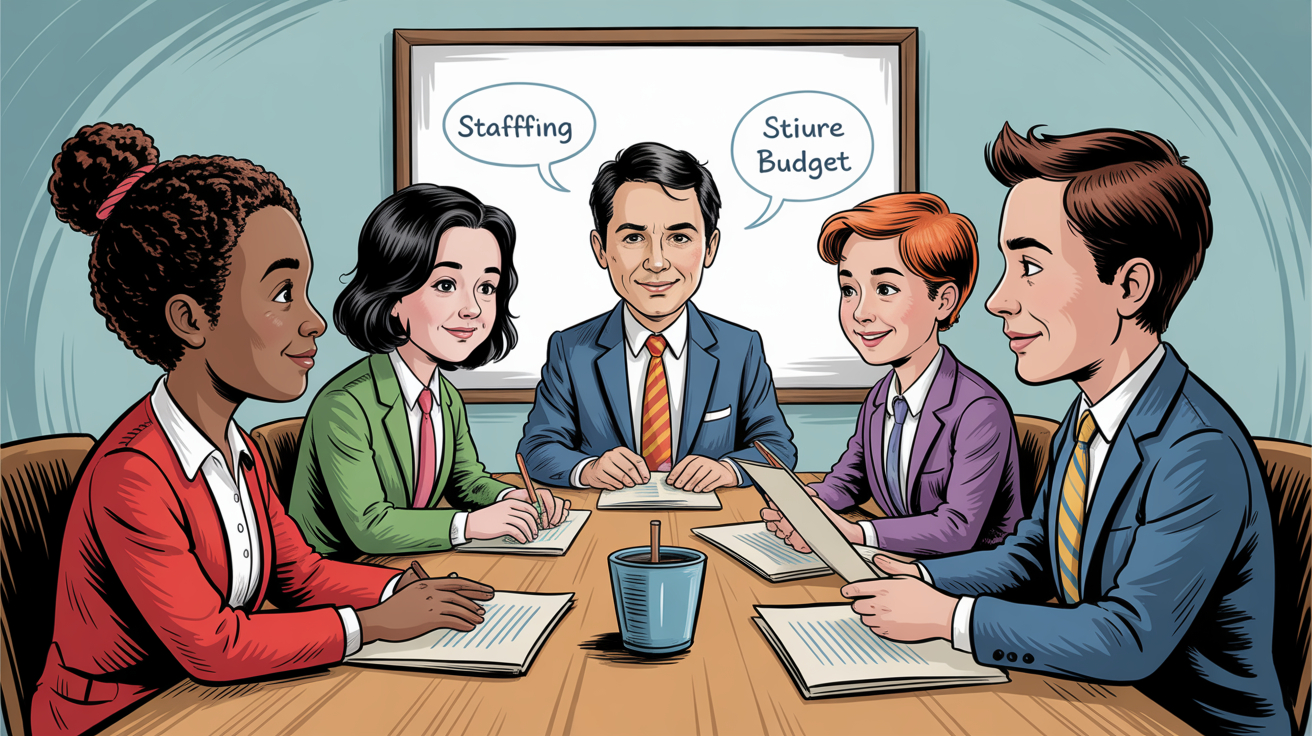
Staffing stays lean for a small shop. The owner usually does a bit of everything: chatting with customers, buying new books, and running the day-to-day. One full-time staffer helps with sales, billing, and keeping the place organized. If weekends get busy, bring in a part-time salesperson for Saturdays and Sundays—it’s a simple way to handle the rush without blowing your budget.
If the bookstore includes a small cafe section, an additional staff member such as a barista may be required to handle beverage preparation and service. Beyond salaries, it is important to account for recurring employment-related expenses such as basic training time, replacement staffing during leave, and compliance with payroll norms. Depending on local regulations and business size, gratuity and other statutory benefits may also apply. Careful workforce planning helps manage operating costs while ensuring smooth and customer-friendly store operations.
Also read: How to Start Consulting Business
10. Marketing & community building
.jpg)
Bookstores thrive on community. Strategies:
- Local visibility: flyers in schools/colleges, tie-ups with tuition centers and coaching institutes.
- Events, such as book readings, author talks, kids’ story hours, and poetry slams, can be free or ticketed (₹100–500).
- Loyalty program: stamp cards or digital loyalty (e.g., buy 9 books, get 1 free).
- Online presence: Instagram, Facebook, Google Business; listed on Google Maps.
- Email newsletter: weekly picks, upcoming events. Low cost but high lifetime value.
- School/college tie-ups: bulk textbook and stationery supply contracts.
- Paid ads: start small at ₹5,000–15,000/month to promote events or bestsellers.
11. Technology & logistics
.jpg)
- Website & online catalog: important for hybrid models. Use Shopify/WooCommerce or local platforms.
- Inventory sync: avoid overselling with POS that syncs online and offline stock.
- Shipping: tie up with logistics partners (India Post for economy, courier aggregators for speed). Factor ₹40–150 courier costs per order into margins.
Common pitfalls & how to avoid them
Common errors can significantly affect the sustainability of a bookstore if not addressed early.
- Take overstocking: if you fill your shelves with books that barely sell, you tie up your money and lose space for the stuff people actually want. It’s way smarter to look at your sales numbers and push for return deals with publishers so you don’t get stuck with a mountain of unsold titles.
- Building a real community: Stores that skip out on author events, reading groups, or student workshops often notice fewer regulars. The shop feels emptier, and it’s harder to keep folks coming back. Cash flow needs just as much attention. If you don’t keep enough money on hand to coast through slow seasons, things can get tense quick. You need a cushion that’ll last you at least a few months.
- Pricing trips up a lot of owners too. Trying to beat everyone else by slashing prices usually backfires. Instead, focus on what you can control: hand-pick good books, give smart recommendations, and make sure people have a good time when they visit. That’s what gets them to return.
- Don’t ignore your online presence, either. Even locals check out stores online before they swing by. Keep your social media and website fresh—an updated catalog or active posts make a big difference when it comes to attracting new customers and keeping your shop on their radar.
Final tips—long-term survival
A successful bookstore is built on thoughtful curation rather than simply filling shelves. Pay attention to what your community likes and what’s trending. When people trust your taste, they come back. Getting involved matters too; you can host events—book clubs, author readings, kids’ story times, whatever works for your crowd. The more you connect, the more loyal your customer base gets.
And don’t slack off on the numbers. Check your profit and loss every month, know how fast your books are selling, and keep an eye on your margins. When you start making money, put it back into things that matter: better book selection, a cozier shop, and smarter marketing. One last thing—don’t expect overnight success; bookstores build their reputation slowly. Stick with it, keep connecting with your community, and focus on the books you believe in. Over time, that’s what makes a bookstore thrive and grow.
You might also like: 15 Lucrative Business Ideas for Empty Land