
 60721
/ 8
Min Read




The second-hand furniture market in India is growing rapidly. More and more people want furniture that doesn't cost them much for their homes, offices, or rentals. Plus, people are more aware of being sustainable and reusing things, so second-hand furniture is a great option.
Starting a used furniture shop is a great chance for business owners to jump on this demand. You don't need as much money to get started compared to selling new furniture, and if you plan things right, it can make some good money.
This article will guide you through the important steps, like understanding the market, finding furniture, marketing, and growing your business. If you follow this advice, you can open a shop that gives customers what they want and grow steadily.
Also read: How to Start a Dosa Cafe Business in India
Understanding the Market

Before you begin, it's key to know who you're selling to. In India, people who buy used furniture are often students, young professionals, startups, budget-conscious families, and people preparing rental properties. There's also a smaller group of vintage fans and interior designers.
For what's currently in demand, consider items like sofas, beds, dining sets, chairs, closets, cabinets, office desks, and side tables. Many people also want pieces that have been repaired or antique goods with an interesting story.
It's a good move to analyze the competition, too. This could be nearby used furniture stores, sites like OLX and Facebook Marketplace, swap meets, or little thrift shops. Knowing their stuff, prices, and customers can help you find your own spot in the market.
Plan Your Business
Here's how to plan your business:
- Shop or Warehouse: If you want lots of foot traffic, a shop in a busy area is great. For bigger stuff like sofas, consider a warehouse-style space.
- Budgeting: Don't forget to factor in expenses like rent, tools to fix things up, what you'll sell first, moving things around, and any required licenses. It's a good idea to save an extra 20% for surprises.
- Business Model: Decide whether you’ll sell only to shop visitors, only online, or both.
Make a basic budget. List your rent, the cost of your first items, tool costs, and what you expect to spend each month.
Sourcing Furniture
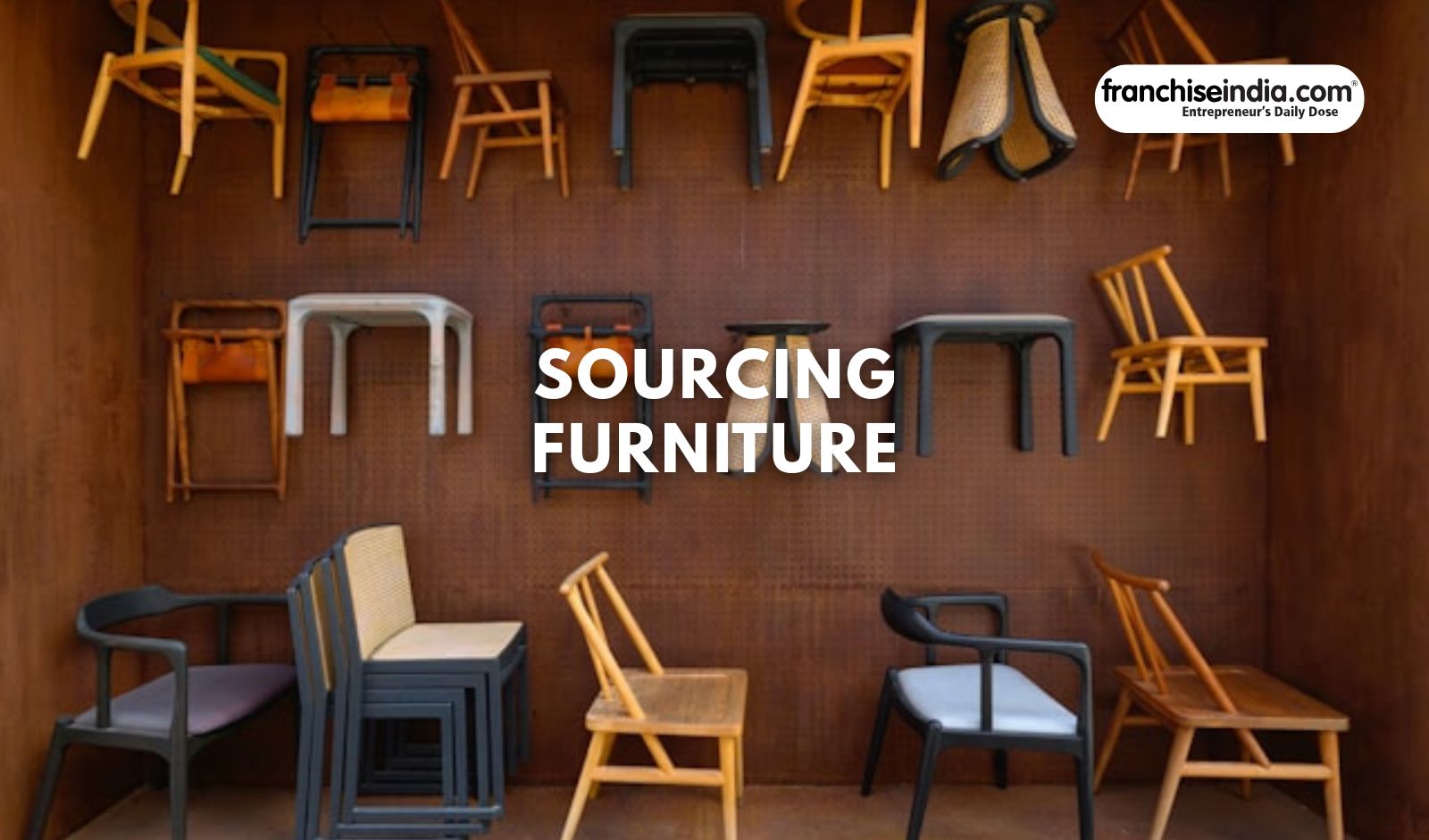
Finding good secondhand furniture is super important in this business. Here's where you can find it in India:
- Thrift Stores and Flea Markets: You can get furniture for cheap and fix it up to sell for more.
- Online Resellers: Check out sites like OLX, Quikr, and Facebook Marketplace. People often sell furniture in big batches or single pieces there.
- Corporate Clearances: When companies get rid of stuff, they often sell old desks, chairs, and cabinets in bulk.
- Auctions: Keep an eye on local government or storage auctions. You can find some great deals there.
No matter where you buy from, quality is key. Make sure the wood, metal, or fabric is in decent shape or easy to repair. Bad-quality furniture can ruin your reputation and sales.
Refurbishment and Display
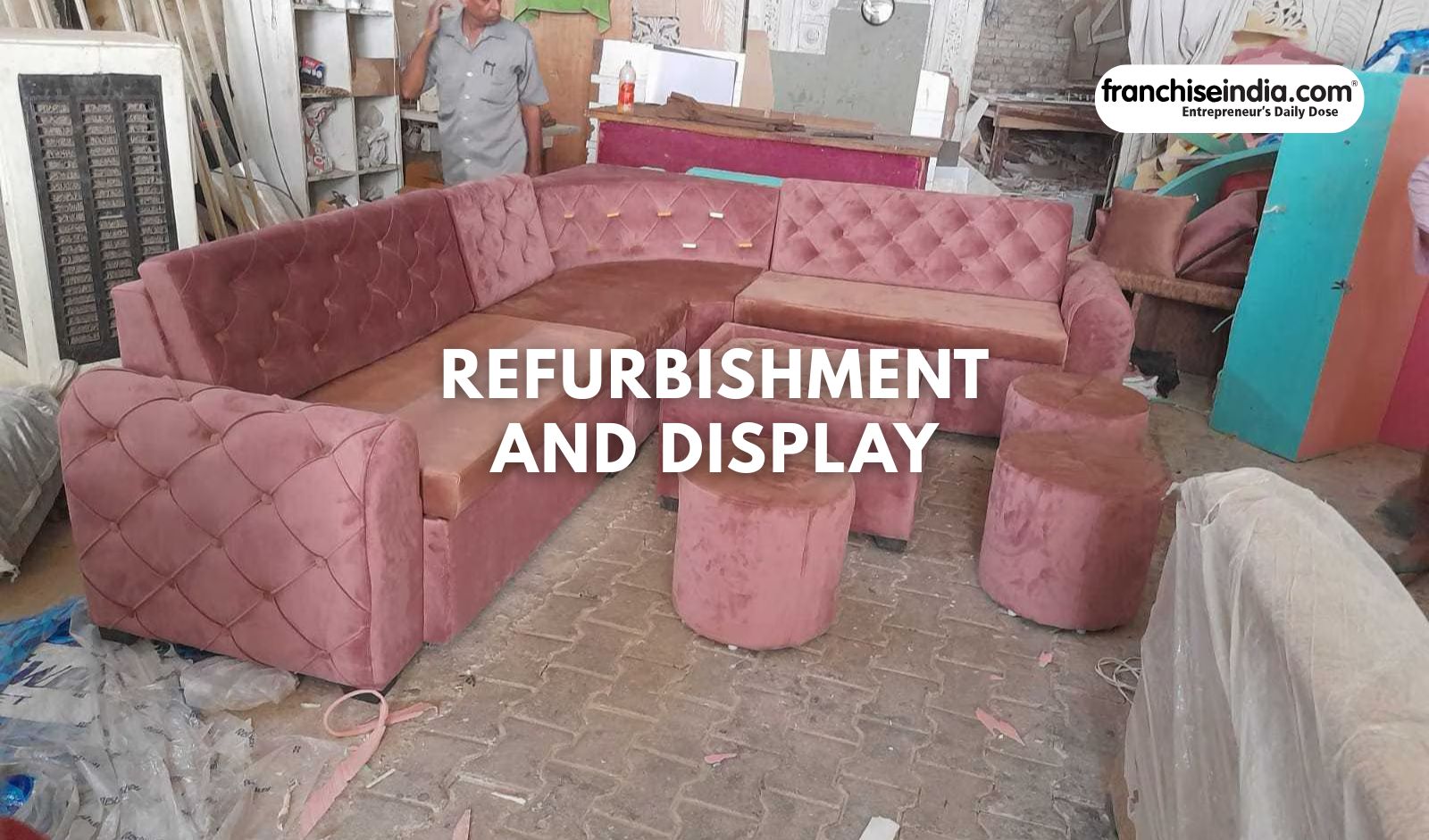
If you want to boost the price when you resell, then try fixing it up:
- Mend anything that's broken, give the wood a good polish, and repaint or reupholster if you need to.
- In your store or warehouse, organize things nicely. Use labels and price tags that are easy to read.
- Put similar stuff together. Like grouping all the beds, sofas, or dining tables. This makes it easier for people to look around.
- Also, create a small spot where you can do your fixing-up work. Keep tools like sandpaper, paint, polish, and sewing supplies there so you can fix up fabrics.
Pricing Your Furniture
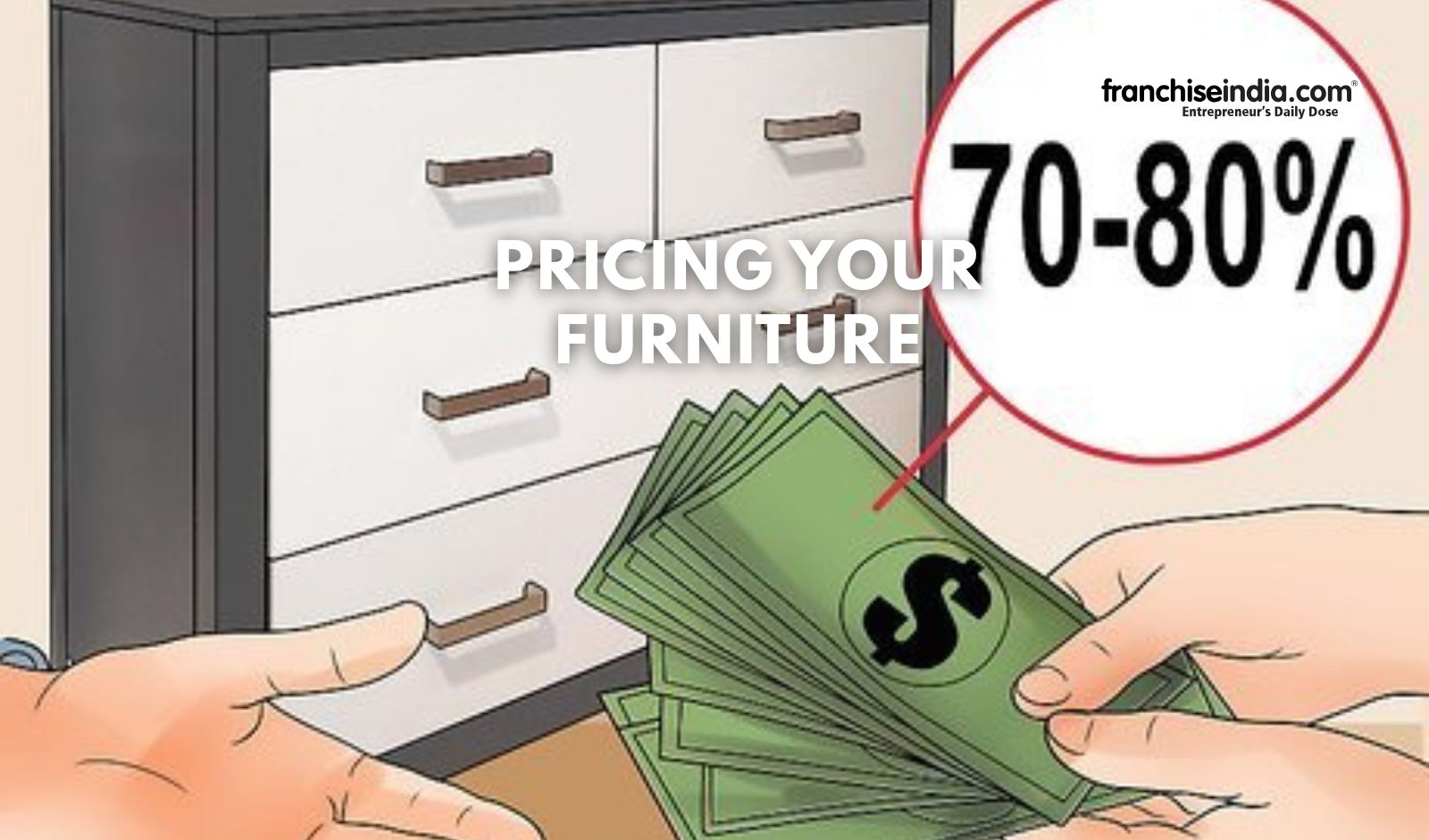
Correct pricing attracts buyers and ensures profitability:
- Base price = Purchase price + Refurbishment cost + Overheads.
- Check market rates for similar used furniture.
- Keep in mind factors like age, condition, and brand.
- Keep margins reasonable, usually 20–50%, and allow room for negotiation.
Create a price list template for each furniture type to ensure consistency and easy updates.
Also read: How to Start an Artificial Jewelry Business in India
Legal and Registration Requirements

To open a shop the right way and dodge trouble later, here’s what you need to do:
- Register your business: Depending on the scale of your business, you can start things off as a sole proprietorship, a partnership, or a private limited company.
- GST registration: If you make more than the GST limit, you have to register for GST.
- Local trade licenses: Check with your municipal corporation or local authority for trade licenses for selling used goods.
- Rules for buying and selling used items: Always maintain transparency about the condition of furniture, and keep invoices for bulk purchases.
Doing these things will help your business run without a hitch and make customers trust you.
Marketing Your Shop
You need to do some marketing to get your furniture seen and attract customers. Here are some good ways to do it in India:
- Online: Places like OLX, Quikr, Facebook Marketplace, and Instagram are great for selling used furniture.
- Offline: If your shop is in a residential area, try using flyers, banners, or even ads in the local paper.
- Partnerships: Team up with interior decorators, rental companies, or co-working spaces to provide furniture.
- Referrals: Ask happy customers to spread the word to their friends and family.
Mixing online and offline marketing helps you reach more folks, especially younger people who like to shop online.
Inventory Management
Good inventory control is super important if you want your used furniture store to do well. Knowing where everything is helps you keep track of what you have, what needs fixing up, and what’s ready to sell.
Key steps for inventory management:
- Stock Records: For each piece, write down when you got it, who you got it from, what shape it's in, how much it cost to fix, and how much you're selling it for.
- Categorization: Sort your furniture by type, like beds, couches, tables, and chairs. This way, you can find stuff faster.
- Tracking Movement: Keep an eye on what gets sold, comes back, or is put on hold for someone. This keeps things from getting mixed up and stops you from running out of stock.
- Refurbishment Planning: Set up a schedule for fixing or polishing furniture so it’s ready to go when customers want it.
- Regular Audits: Go through your inventory every now and then to catch anything missing or broken, and make sure your records are right.
If you manage your inventory well, you’ll lose less stuff, keep your store tidy, and make smarter choices about your business. Plus, customers will have a much better experience.
Customer Service Tips

If you want customers to keep coming back and build loyalty, great customer service is super important. Here's what to focus on:
- Transparency: Always tell buyers about the furniture's condition, how old it is, and any small issues it might have. This way, they'll trust you.
- Delivery Service: It's a good idea to deliver big stuff, since most people would rather have it brought right to their place.
- After-Sales Support: Give advice on simple fixes, putting stuff together, or looking after their furniture. It is valuable to them.
- Friendly Communication: When customers ask questions or want to talk about the price, be friendly, easy to reach, and patient.
Paying attention to these things can help your shop get noticed, make customers happier, and get them to tell their buddies about you.
Also read: How to Start a Chutney and Pickle Business in India
Scaling the Business
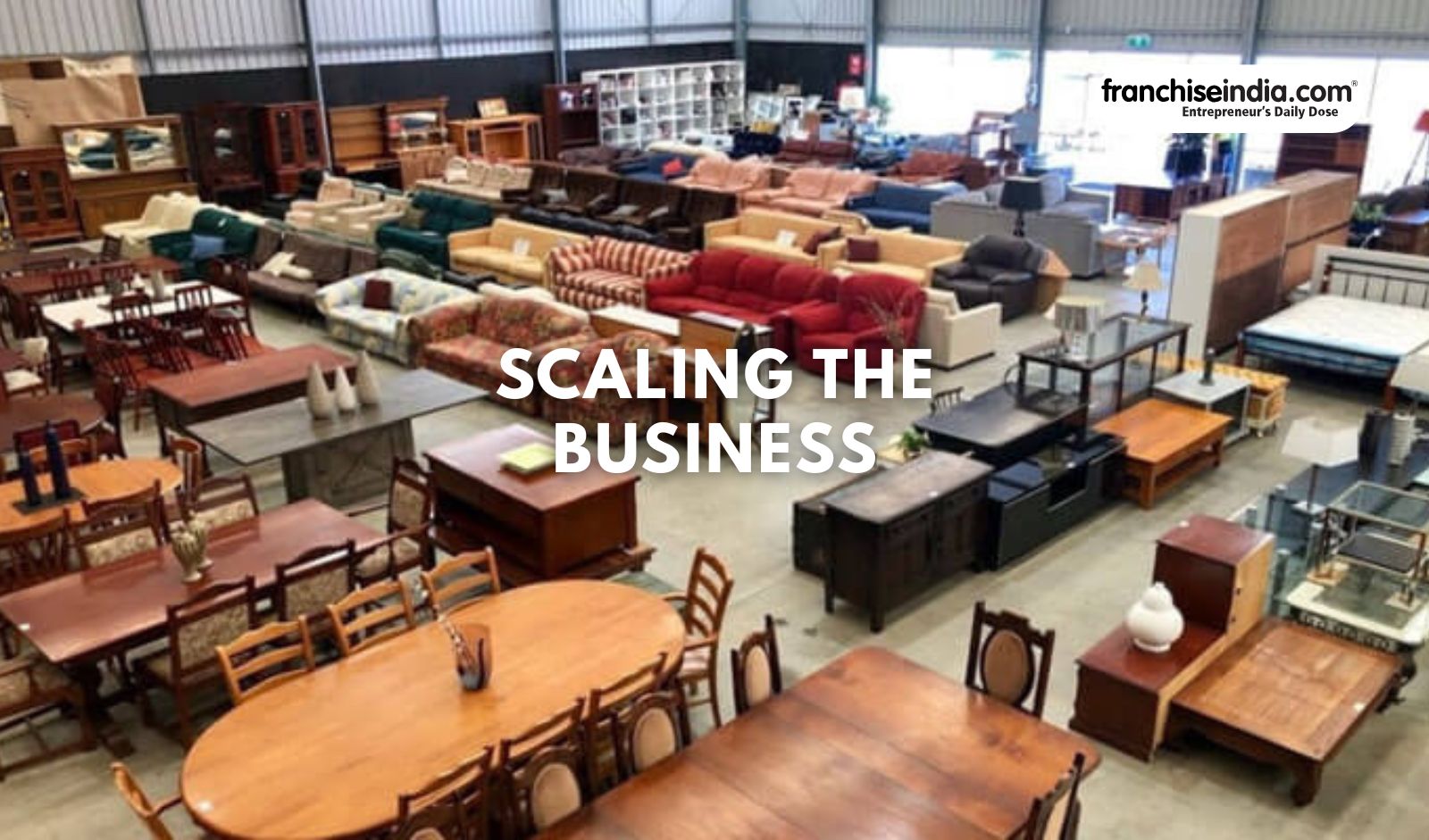
Once your used furniture shop is up and running without problems, here’s how you can slowly scale it to make more money:
- Adding More Categories: Add new items like office furniture, old collectibles, or home décor items, so more people will shop with you.
- Multiple Locations: Start new locations in close cities or neighborhoods to find more buyers.
- Online Store: Create a site or app to sell furniture all over India to go after online shoppers.
- Collaborations: Work with interior designers, offices, or rental companies for big orders and consistent sales.
To grow the business well, you need good planning, smart money spending, and good relationships with your suppliers.
Challenges and How to Handle Them

Running a second-hand furniture shop isn't always easy. Below are some issues you could come across:
- Low-Quality Stock: Check things over good before you buy them. Don't get stuff that's falling apart or too hard to fix.
- Inconsistent Supply: Have a network of suppliers able to supply your inventory, and keep some popular items on hand so you don't run out.
- Competition: Stand out by offering better quality, fair pricing, and excellent customer service.
- Pricing Issues: Explain to customers how refurbishing or repairs add value to justify the price.
Knowing about these problems beforehand can help your shop do well and avoid losing money.
Starting a used furniture shop in India could be a smart move that's good for business and the environment. If you plan well, find good stuff to sell, follow the rules, and get the word out, even a small shop can do well. More people are moving to cities, renting homes, and looking for cheap and eco-friendly choices, so more people will want used furniture. Selling used furniture isn't just a way to make money, it’s a chance to do well while being kind to the environment.
You might also like: How to Start a T-shirt Printing Business in India