1935
/ 6
Min Read



Not too long ago, ordering food meant flipping through a crumpled menu, calling in your order, and hoping it arrived as promised–if at all. Dining out was still the default for those craving quality, variety or hygiene. Today, that picture looks very different. A few taps on a phone now bring restaurant-style meals to your doorstep, often faster than it would take to set the table.
India’s relationship with food has always been emotional, but it's now becoming increasingly digital. As urban lifestyles grow more demanding and routines less predictable, convenience has quietly edged out ambience and delivery has begun to rival dine-in. Whether it’s a working lunch between meetings, a late-night snack after a long commute, or a weekend indulgence with family, more Indians are choosing to eat in–without cooking.
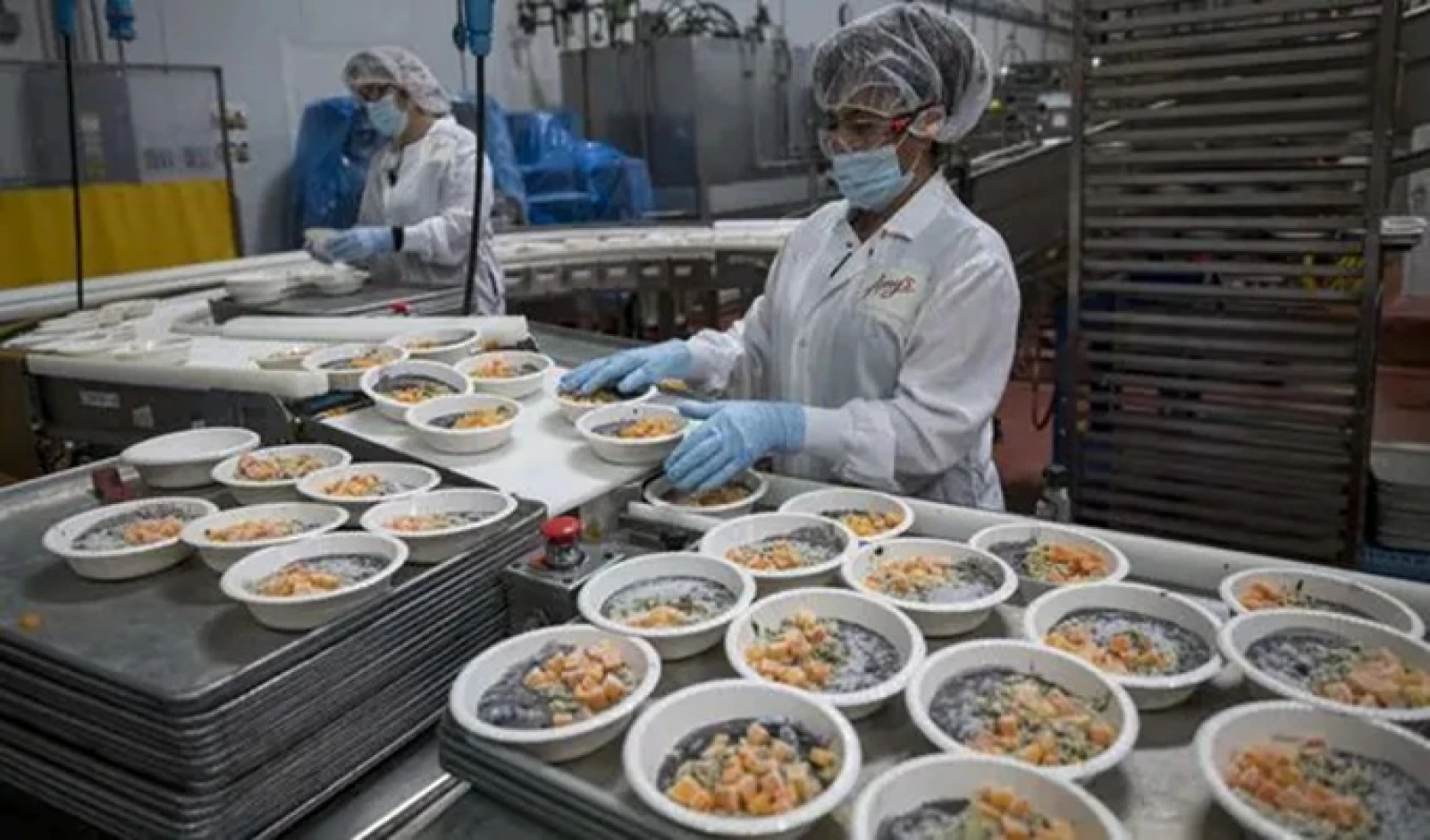
This behavioural shift has paved the way for the rise of cloud kitchens. These delivery-only food businesses operate without a storefront or dining space, using data, technology and scale to bring diverse menus to life across neighbourhoods and cities. What started as a solution for busy metros has evolved into a rapidly growing industry that’s changing the way India eats.
A shift fuelled by convenience
Until recently, the notion of ordering restaurant-quality food to your doorstep was a luxury. Delivery menus were often uninspired, limited in options, and lacking in quality or consistency. But the last few years–especially in the aftermath of the pandemic–have flipped the script. Cloud kitchens, also called ghost or dark kitchens, have transformed into one of the fastest-growing segments in the food and beverage industry.
According to the IMARC Group, India’s cloud kitchen market was valued at $1.13 billion in 2024, with growth forecast at a CAGR of 12.67% through 2033. It’s clear the appetite isn’t slowing down.
The appeal lies in the model’s flexibility and cost-efficiency. A single cloud kitchen can house multiple brands under one roof, all operating from the same infrastructure yet targeting different palates and customer segments.
From regional thalis and indulgent desserts to protein-packed meals and experimental global fare, there’s something for everyone and all of it can be launched or scaled rapidly without the overheads of running a traditional dine-in setup. This ability to diversify and expand quickly without the burden of real estate or large front-of-house teams makes it a winning formula, especially in a country as diverse and food-obsessed as India.
Tech at the table
Efficiency is the secret ingredient. Cloud kitchens thrive or falter based on how well they integrate operations, technology, supply chains and customer feedback into a tight, responsive loop. Many brands adopt the FOCO model—franchise-owned, company-operated—which allows investors or local partners to set up the kitchen while the parent company manages brand identity, marketing and core operations. This structure offers an appealing blend of autonomy and support, reducing financial strain and ensuring standardisation across locations.
Technology has become inseparable from the growth of this model. From AI-assisted ordering and inventory management to delivery optimisation and real-time analytics, cloud kitchens are as much tech companies as they are food businesses. Data fuels everything–from predicting demand based on weather or festivals to adjusting menus in real time and reducing wastage through more accurate forecasting.
Personalisation is another frontier. As platforms get smarter, recommendations are becoming more intuitive. A future where your food app knows what you want to eat before you do–like a culinary version of Netflix–no longer feels far-fetched.
The business of speed and scale
With a focus on fast, hyperlocal delivery, these kitchens are perfectly aligned with the consumer’s need for instant gratification. Waiting an hour for food now feels like a relic of the past. In many metros, 10-minute deliveries are no longer aspirational, they’re expected. This push toward hyper-efficiency is reshaping logistics, packaging, and even kitchen layouts, all optimised for speed without sacrificing quality.
For instance, Rebel Foods, a pioneer in the cloud kitchen revolution set an example more than a decade ago. What began as Faasos in 2011 has today become the world’s largest internet restaurant company. With over 45 brands including Behrouz Biryani, Oven Story Pizza, Mandarin Oak and The Good Bowl, Rebel Foods operates from more than 450 kitchens across 70 Indian cities and has a growing footprint in the UAE, UK and Indonesia.
It is all thanks to their proprietary operating system, which enables other brands to plug into their network and leverage their infrastructure, delivery and supply chain. Their model proves how scalable and tech-integrated the cloud kitchen format can be, allowing brands to test new cuisines and adapt quickly to trends.
But it isn’t just about indulgence or convenience, health has also found its place in the cloud kitchen narrative. Curefoods, for example, is building an entire ecosystem around nutritious, delivery-friendly meals. Their flagship brand EatFit, along with offerings like Yumlane and CakeZone, caters to consumers looking for guilt-free options that don’t compromise on flavour.
Backed by robust tech and supply chain systems, Curefoods leverages real-time data to tweak menus, track calorie intake, and launch seasonal specials designed around local ingredients and wellness trends.
What comes next?
Cloud kitchens are not a fad; they represent a larger cultural shift. With smartphone penetration deepening and food delivery platforms expanding, this model is now reaching Tier 2 and Tier 3 cities, where the demand for affordable, hygienic and varied food options is on the rise. Consumers aren’t just looking for meals: they’re looking for meal experiences, curated to their tastes and delivered at record speed.
As AI and automation mature, the ecosystem will only become more personalised, more predictive and more efficient. Whether it’s a subscription-based health plan, a hyperlocal tiffin service, or a premium dessert brand that delivers midnight cravings on cue, the future of food in India is being shaped quietly. All behind the scenes and in the kitchens, you’ll never see–but whose impact you’ll continue to taste.
About the author: Arjun Jaiswal is Partner & Co-Founder, Scuzi.