
 7260
/ 15
Min Read




Odisha, one of India’s fastest-evolving eastern states, is emerging as a promising destination for entrepreneurs in 2026. The state’s growing industrial base, rich natural resources, strong agricultural sector, and expanding tourism industry make it ideal for small- and medium-scale ventures. With government support through programs like Startup Odisha, MSME incentives, and MUDRA loans, even first-time entrepreneurs can find a low-risk path to profitability. The 15 profitable business ideas highlighted for 2026 span across diverse sectors—ecotourism, food processing, aquaculture, renewable energy, handicrafts, logistics, agritech, wellness, and digital services. Each idea leverages Odisha’s local strengths, such as its fertile land, coastline, cultural heritage, and skilled workforce.
This article contains 15 profitable business ideas that you can start in Odisha in 2026. From investment required to growth, including CAGR, this article contains everything. Read this till the end.
Also read: How to Start a Homestay Business
15 Profitable Business Ideas in Odisha
1) Eco/Experiential Homestays & Budget Boutique Hotels (coastal & temple circuits)
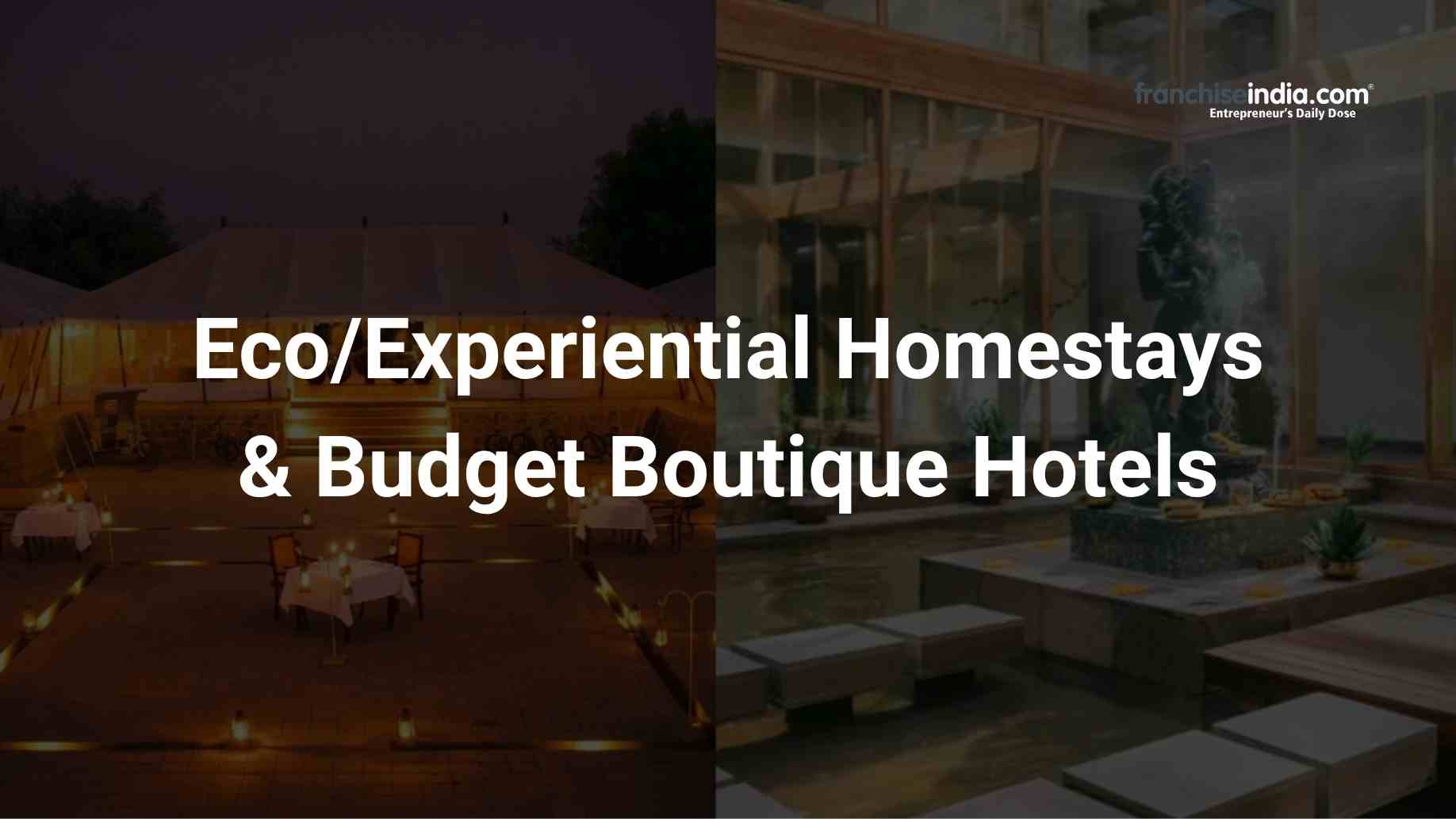
Odisha’s tourism scene has taken off lately. People come for the culture, the beaches, and spots like Puri, Konark, and Chilika Lake. The sector’s growing fast—about 9–10% a year—thanks to government pushes for eco-tourism, better infrastructure, and heritage circuits (dot.odisha.gov.in). More travelers, both from India and abroad, mean big chances for anyone looking to invest in eco-friendly homestays or boutique guesthouses. Starting one isn’t out of reach: it usually takes ₹8–40 lakh, depending on size, renovations, and where you set up.
If you can keep your rooms about half full, you’re looking at monthly revenues anywhere from ₹80,000 to ₹3.5 lakh; that’s solid, especially in peak season. You’ll need the usual paperwork—trade license, GST, FSSAI if you serve food, and fire clearances—but it’s doable. The smart move is to start with 3–6 well-designed rooms near a popular spot and get listed on travel sites to get noticed.
2) Cold-chain & Minimal Processing for Small Farmers (fruits, vegetables, fish)
.jpg)
Agriculture still anchors Odisha’s economy, and a lot of people depend on it, and it adds a huge chunk to the state’s GDP. But there’s a catch: post-harvest losses eat into profits, so there’s serious demand for cold storage and small-scale food processing. The agri sector’s growing too, at about 8–9% a year, with help from state programs and FPOs (finance.odisha.gov.in). If you want in, setting up a cold storage or processing unit costs anywhere from ₹10–60 lakh, depending on your tech and size.
Monthly revenues usually land between ₹2–10 lakh, with profit margins around 10–20%. You’ll need FSSAI registration, pollution approvals if you go big, and MSME paperwork for subsidies. A good way to begin is to team up with an FPO, find a small half-acre plot, and use state subsidies to get things rolling.
3) Aquaculture & Value-added Seafood (solar aerated fish ponds, shrimp hatcheries)
.jpg)
Odisha’s 480 km-long coastline offers immense potential for developing fisheries and aquaculture-based enterprises, which play a vital role in the state’s economy and employment. The fisheries sector is booming, growing 10–12% a year, pushed by higher demand in India and abroad for seafood. The state government’s Blue Revolution and aquaculture programs only open up more doors.
You don’t need a fortune to start: a fish farm or processing unit can be set up for ₹5–40 lakh, whether you want a pond, hatchery, or something bigger. Returns can go from ₹1–8 lakh a month, and you score more if you tap into exports. You’ll need approvals from the fisheries department, FSSAI registration, and export licenses if you’re shipping overseas. Many folks start by working with local fishermen, building one pilot pond or hatchery, and using climate-smart practices to keep things sustainable.
Also read: 11 Business Ideas in Delhi with Low Investment
4) Solar Microgrids & Rooftop Solar + EV Charging (rural & peri-urban)
.jpg)
Odisha’s also picking up speed in renewable energy and rural electrification. The state’s really pushing solar and electric mobility, growing at 11–13% a year. More and more people want clean energy and places to charge their EVs, especially in smaller towns. For entrepreneurs, it’s a great time. Setting up a solar microgrid or rooftop system costs ₹5–25 lakh, and starting a small EV charging kiosk can be done with ₹2–8 lakh.
Monthly revenue can range from ₹30,000 to ₹2 lakh, depending on how much people use your service and local contracts. You’ll need to get approvals from the electricity department, follow net-metering rules, and get technical certificates. A practical way to start is by installing rooftop solar for schools or small businesses or by putting an EV charger in a busy market with help from local installers.
5) Organic / Specialty Food Brand (rice, millets, spices, value snacks)
.jpg)
Odisha is famous for its unique rice and organic produce, making it a great place to build a specialty or organic food brand. People everywhere want healthier, chemical-free options now, and India’s organic market is exploding—growing around 20–22% a year. Odisha fits right into this trend, with strong government support for organic and millet products (finance.odisha.gov.in). The state’s procurement and marketing programs keep things moving.
Launching an organic food processing and packaging unit requires an initial investment of ₹3–15 lakh, covering expenses for small-scale machinery, packaging, branding, and certification. Monthly revenue potential ranges from ₹50,000 to ₹5 lakh, depending on product mix and market reach. Entrepreneurs should register with FSSAI, consider obtaining organic certification for credibility, and create an appealing brand identity. Sourcing directly from Farmer Producer Organizations (FPOs) and selling through online marketplaces and local supermarkets can accelerate growth and profitability.
6) Handicrafts & Tribal Art Export Hub (handloom, stone carving, appliqué)
.jpg)
Odisha’s got a long, proud tradition of craftsmanship—think handloom saris, stone carvings, silver filigree, applique work, and tribal art. Each piece tells a story about the people and culture from its corner of the state. Lately, the world can’t seem to get enough of handmade, sustainable stuff. India’s handicraft exports are booming, growing about 8–10% every year, thanks to online shopping and more tourists hunting for something special to take home. Odisha’s artisans aren’t missing out either. With government support and MSME incentives, they’re in a great spot to ride this wave.
If you’re thinking about jumping in, you don’t need a fortune. Setting up a small production and export business takes anywhere from ₹2 to ₹12 lakh. That covers your workshop, materials, some inventory, and getting online. Depending on what you sell and how far you reach, you can pull in ₹50,000 to ₹4 lakh a month. Unique, handmade pieces usually bring in bigger margins too so get MSME registration to grab those subsidies, and make sure your export paperwork is sorted if you want to sell overseas. Start by finding the best local artisans, put together a standout product line, and get your stuff in front of buyers—online, in hotels, through tourism partners, wherever people are looking for something original.
7) Agri-tech Services & Advisory (soil testing, precision inputs, weather advisory)
.jpg)
The agri-tech industry in India is exploding, growing at around 18–20% a year, as people pick up mobile apps, smart sensors, and data tools to get more out of every acre. Odisha’s already running pilot projects—digital soil tests, weather tips, and better input management. It’s a promising field for startups.
You can get started with ₹1–8 lakh—enough for some testing kits, a simple mobile app, and a small field team. With the right approach, you could make ₹40,000 to ₹3 lakh a month through subscriptions, consulting, or partnerships. Rules aren’t too heavy, but teaming up with KVKs or agri colleges helps build trust. And the best move is building a basic app or SMS advisory, testing it with 200–500 farmers in a small area, and growing from there.
Also read: How to Start a Tech Business in India
8) Waste Management & Composting (urban + hotels)
.jpg)
Urban growth and booming tourism also bring a downside—piles of organic and biodegradable waste. This opens up real opportunities for waste management and composting businesses. India’s waste management sector is growing by 7–9% a year, thanks to pushes like Swachh Bharat and a focus on recycling. In Odisha, hotels, restaurants, and city offices want greener ways to get rid of their waste, so composting is both profitable and good for the planet.
You’ll need ₹2–10 lakh to get a small composting plant and collection unit off the ground—enough for land, equipment, and a vehicle. Monthly revenues usually fall between ₹50,000 and ₹3 lakh from selling compost and collection contracts. Just make sure you have local approvals and, for bigger operations, the right environmental clearances. A smart way in? Start with hotels or resorts in busy tourist spots, show you can get results, then scale up to serve city contracts or large institutions.
9) Cold-chain Frozen Desserts & Local Fruit Ice Cream (famous local flavors)
.jpg)
Tourism and higher incomes in cities are also feeding a craving for local frozen desserts and ice creams. Tourists especially love flavors they can’t find anywhere else—coconut, mango, jaggery, and other regional twists. The frozen dessert market in India is getting bigger every year, growing about 13–15%, with new flavors and healthier options on the rise.
An investment of ₹4–12 lakh can get you started—a small kitchen, a freezer truck, maybe a couple of retail kiosks. Depending on where you set up and how many people walk by, you can earn ₹80,000 to ₹4 lakh a month. Artisanal products usually make for better profits. You’ll need FSSAI registration and have to stick to food safety rules. Try mobile food trucks or pop-up kiosks at tourist hotspots and if things take off, open a permanent shop or even look at franchising as your brand grows.
10) Mini Logistics & Last-mile E-commerce Fulfilment (for tier-2/3 towns)
.jpg)
With e-commerce rapidly expanding across India, Odisha’s tier-2 and tier-3 towns are witnessing increased online shopping activity, creating a strong demand for local logistics and last-mile fulfillment services. The logistics and warehousing sector is growing at about 9–10% a year, boosted by digital commerce, better roads, and government schemes like PM Gati Shakti. Local entrepreneurs can step in to offer fast, reliable delivery and return logistics for online sellers and customers in smaller towns.
Setting up a mini logistics or fulfillment business requires an investment of ₹5–25 lakh, including expenses for a small warehouse, delivery vehicles, tracking software, and manpower. Monthly revenues can range from ₹1 lakh to ₹8 lakh, depending on contract size and delivery volume, with healthy margins for efficient operations. Basic compliance, such as GST registration and business licensing, is required. To start, entrepreneurs can offer pickup and delivery services to local e-commerce sellers and later partner with major marketplaces for reverse logistics and regional distribution.
11) Skilled Trades Training & Micro-Skilling Centres (welding, machine ops, hospitality)
.jpg)
Odisha’s booming manufacturing, construction, and tourism sectors have really cranked up the need for skilled and semi-skilled workers. For anyone looking to start a business, vocational training isn’t just profitable—it’s making a real difference. Across India, the skill development and vocational training market is growing fast, about 17–18% every year, thanks to government pushes like the Skill India Mission, PMKVY, and local employment drives. Entrepreneurs can tap into these programs by offering short, practical courses that get people straight into jobs.
Starting a vocational training center usually takes an investment of ₹2–10 lakh, which covers renting space, buying training tools, and paying instructors. Once up and running, you can pull in monthly revenues anywhere from ₹60,000 to ₹3 lakh through course fees, placement commissions, or government-funded batches. Getting accredited by the National Skill Development Corporation (NSDC) isn’t required, but it makes your institute more trustworthy. Create hands-on, job-ready courses—think hospitality, welding, or tailoring—and partner with local businesses to give students real-world training and job placement support.
Also read: How to Start Consulting Business
12) Health & Wellness Clinic with Telemedicine (rural outreach)
.jpg)
Odisha’s vast rural and semi-urban population continues to face limited access to quality healthcare and specialty consultations. This gap is opening up big opportunities for telemedicine clinics—places that blend in-person checkups with video consultations. India’s telemedicine sector is on fire, growing at about 22–25% a year, thanks to cheap internet, more people getting comfortable with tech, and programs like the Ayushman Bharat Digital Mission. If you’re thinking of starting a hybrid clinic, you’ll need around ₹3–12 lakh to set up the space, buy medical gear, get the right software, and cover staff.
Depending on what you offer, monthly revenues can run from ₹60,000 up to ₹4 lakh, and health packages can keep that income steady. You’ll need to register your clinic and get a pharmacy license if you’re selling medicines. A smart approach is to launch as a diagnostic and teleconsultation center, focusing on maternal health, chronic diseases, and elder care in areas that need it most.
13) Specialty Coffee/Tea & Co-working Cafe (Bhubaneswar & college towns)
.jpg)
Cities like Bhubaneswar and Cuttack are changing fast, with more young professionals, freelancers, and students looking for places to work, meet, and relax. Co-working cafés—spaces with good Wi-Fi, coffee, and rooms for events or workshops—are popping up to meet that demand. India’s co-working and café market is growing fast, about 15–17% each year, thanks to flexible jobs and a new wave of startups. Setting up one of these cafés usually takes ₹6–20 lakh for interiors, equipment, and setup.
Depending on how many people come in and what events you run, you might make ₹1 lakh to ₹6 lakh a month, especially if you offer memberships, host workshops, or throw weekend events. You’ll need an FSSAI registration if you’re serving food and a local trade license. You can open near colleges, IT parks, or startup zones; offer subscription deals, themed nights, and top-notch coffee, and you’ll build a loyal crowd.
14) Industrial Support Services near Steel & Mining Hubs (fabrication, tooling, safety supplies)
.jpg)
In places like Angul, Jharsuguda, and Sundargarh, Odisha’s manufacturing, mining, and steel industries are growing quickly. Big companies now want local suppliers and support services to keep things efficient and cut costs. This is a golden chance for small and medium businesses to step in. The Indian industrial support services market is rising steadily—about 10–12% each year—driven by new infrastructure and government pushes like Make in India.
Getting started usually takes anywhere from ₹8 lakh to ₹50 lakh, depending on your setup and equipment. Revenues can range from ₹2 lakh to ₹20 lakh a month, based on contracts and services. You’ll need to follow labor laws and factory rules and get GST registered. The smart move is to start as a subcontractor for a big plant, prove you’re reliable, and slowly branch out into things like maintenance, fabrication, or logistics.
15) Boutique IT / SaaS for Govt & Sectoral Problems (fisheries, agriculture, tourism)
.jpg)
Odisha is also putting a lot of energy into digital governance, tourism, and delivering subsidies—which means there’s a real need for specialized software for government offices, businesses, and cooperatives. With state programs like Startup Odisha backing new ideas and offering funding, tech entrepreneurs are looking at some solid opportunities in this space. India’s software-as-a-service (SaaS) sector is witnessing rapid expansion at a CAGR of 25–30%, driven by digital transformation across states and public sector automation.
Setting up such a venture typically requires an investment of ₹3–20 lakh, covering software development, a small technical team, and marketing.
Once operational, businesses can earn monthly revenues between ₹1–15 lakh through SaaS subscriptions, government contracts, and enterprise solutions. Regulatory requirements are straightforward—basic business registration and adherence to data privacy and security norms. A smart starting point is to develop a minimum viable product (MVP) targeting a niche government use case, such as a fishery registry or FPO supply chain management app, and then scale based on results.
Risks & mitigation
- Climate & natural disasters (cyclones, floods)—choose resilient sites, insurance, and diversified procurement.
- Seasonality (tourism, fisheries)—build off-season products (F&B, online sales).
- Regulatory changes—keep compliance counsel or a local consultant; apply for registrations early.
- Market access—invest in brand & packaging for exports and urban retail; use marketplaces to reach pan-India buyers.
Final note
Odisha in 2026 offers a dynamic mix of opportunities across tourism, agriculture, renewable energy, food processing, and technology. The state’s growing infrastructure, supportive government policies, and rising consumer demand create a strong foundation for both small and medium enterprises. From eco-homestays and seafood processing to solar ventures and digital startups, entrepreneurs can align local resources with modern business models to build sustainable ventures.
The key to success lies in starting small, testing locally, and scaling strategically. Entrepreneurs should focus on product quality, branding, digital visibility, and partnerships with farmer groups, artisans, and government schemes like Startup Odisha or MUDRA. With thoughtful planning, even ventures starting with ₹2–10 lakh can grow into profitable, job-creating enterprises.
You might also like: 15 Lucrative Business Ideas for Empty Land